Appliance
Asko range hoods
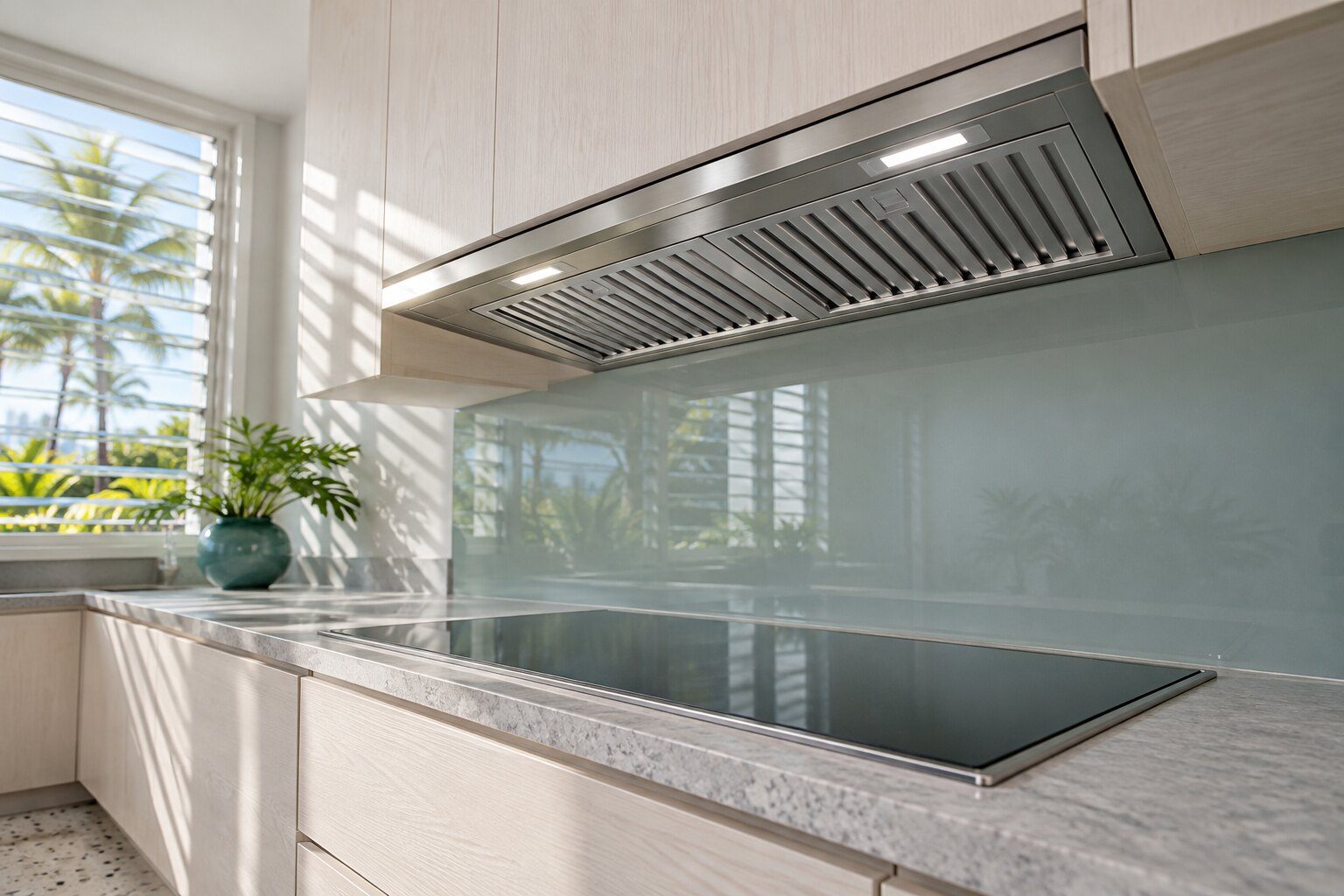
Concealed liners for the most part, built to disappear into the cabinet above the hob so that only a strip of steel and a slide-out shows. They are the quietest page on this site to write because there is genuinely little to report: the CG1, CO4927S and CBB901SB manuals have no troubleshooting section whatsoever — not a thin one, not a symptom table, none. So everything here comes from what actually fails, which on a hood is four things: the motor, the switch or touch strip, the lamps, and the duct run somebody else installed. In this climate the fifth is the damper, which sticks with salt and stops the hood extracting long before anybody notices it has.
- 2 symptoms we are called out to
- From $95 diagnostic, credited to the repair
- 59 cities and neighborhoods covered
- OEM parts available on order
The short version
What this equipment is, for a repair
Configurations
Concealed liners · manuals with no troubleshooting section at all
Access
Planned before the visit, not discovered on arrival
Parts
OEM, available on order
Diagnostic
From $95, credited to the repair
What goes wrong with it
Symptoms we are called out to on Asko range hoods
Each one covers the likely causes in the order they are worth checking, and what to do in five minutes before booking anything.
-
It runs, and the steam still goes everywhere Range hood not clearing the kitchen
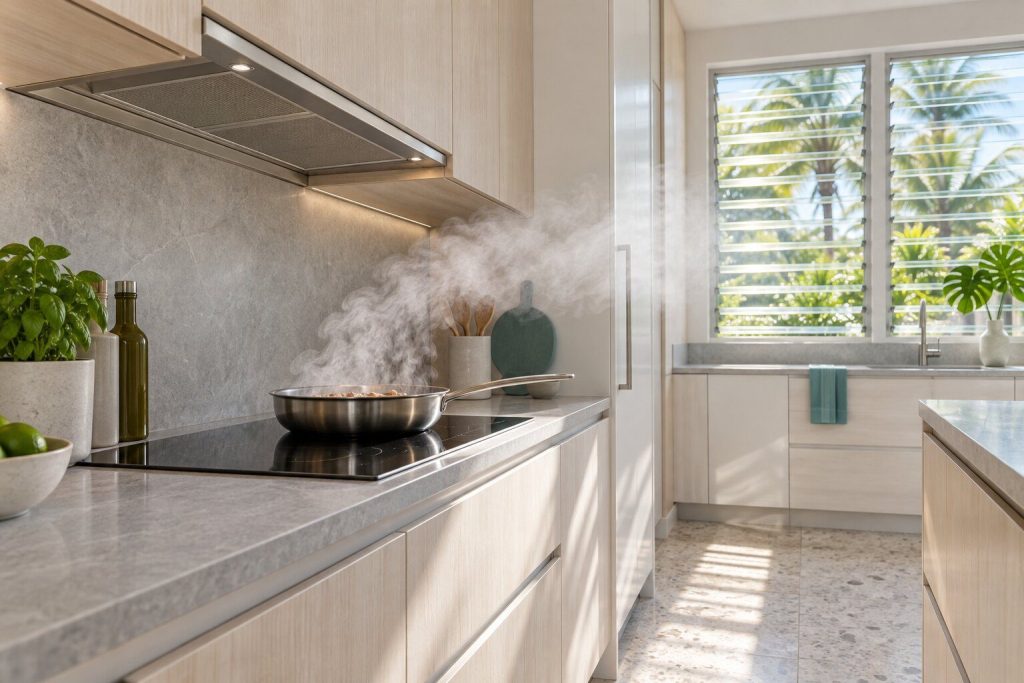
A hood that sounds like it is working and is not clearing anything. Nine times in ten the duct is to blame rather than the appliance, and the test that proves it takes a minute at the outside vent. On this coast there is a fifth cause the manuals never mention because the manuals mention nothing at all — three hood manuals were read and none of them carries a troubleshooting section — and that is a backdraft damper salted shut, which stops extraction completely while the hood carries on making its usual noise.
- Test at the outside vent before any part is discussed
- A salted-shut backdraft damper is the local cause nobody looks for
- The manuals carry no troubleshooting section at all — three checked
-
The lights come on and nothing moves Hood lamps work but the fan does not
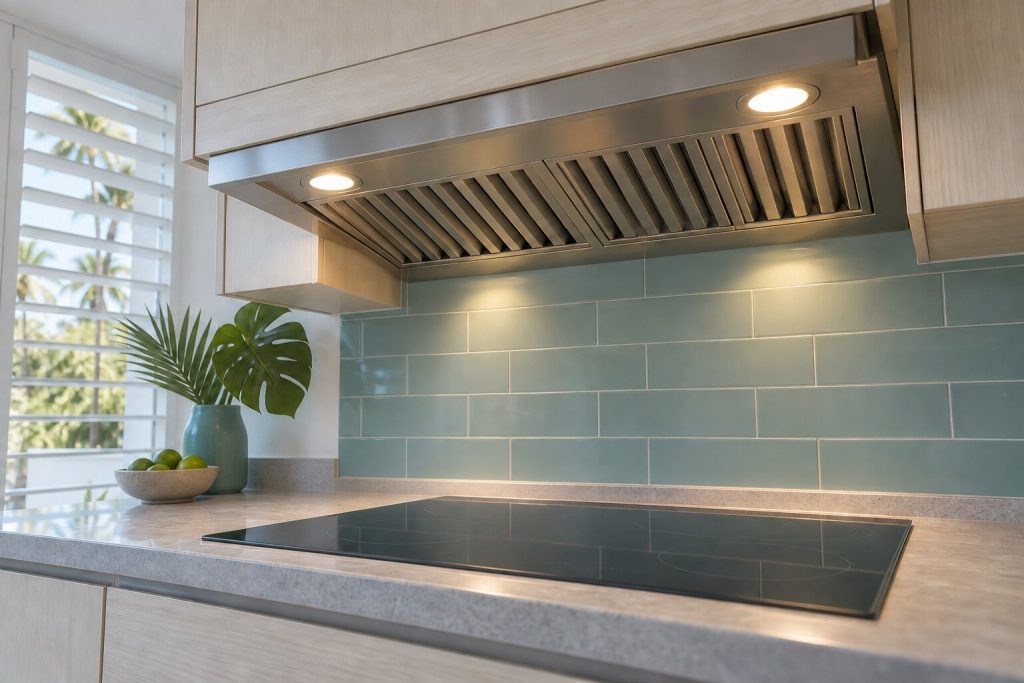
Lamps lit and the motor silent, which is more useful than it sounds: on almost every hood the lamps and the motor sit on different circuits after the switch, so lights working proves the supply is fine and points the whole diagnosis away from it. What is left is the switch or touch strip, the motor and its capacitor. On the concealed liners this make is known for, the touch strip is the common failure in a kitchen where the hood is wiped down every day.
- Lights working proves the supply and halves the diagnosis
- Touch strips fail from daily cleaning, and they are an ordinary part
- The wrong lamp type destroys its own holder in a concealed liner
What we do on it
Repairs we carry out on Asko range hoods
Starting figures for this equipment in South Florida. The exact cost is confirmed after an on-site diagnostic — and this is not the whole list of what can go wrong, so call if your problem is not here.
-
from $95 Diagnostic visit
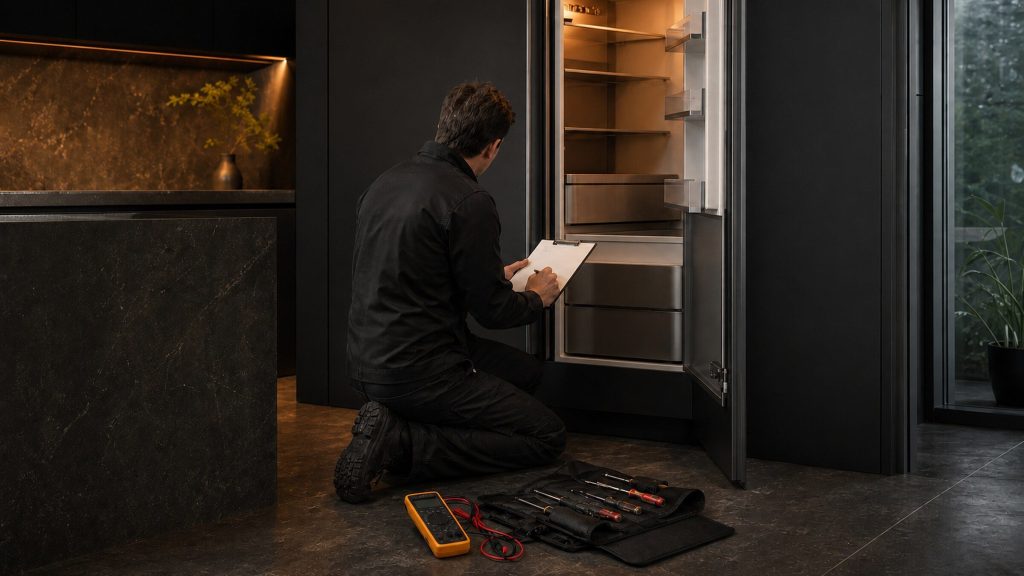
Establishing what is actually wrong with the machine, ahead of naming or costing a part. Here one thing has to be settled before the complaint can even be read: which generation is standing in the kitchen. Digits on this badge belong to whichever board prints them, so a dishwasher, washer or dryer measured against the wrong table produces a confident answer and an incorrect part. You keep the charge against the repair when the work goes ahead; where our view is that spending money on this machine makes no sense, that view is what you have paid for and the amount stays the same.
- Generation before symptom — it settles which table the digits belong to
- The number is written down before the work, and it comes off the repair
- Where mending makes no sense we say it, instead of finding a part to sell
-
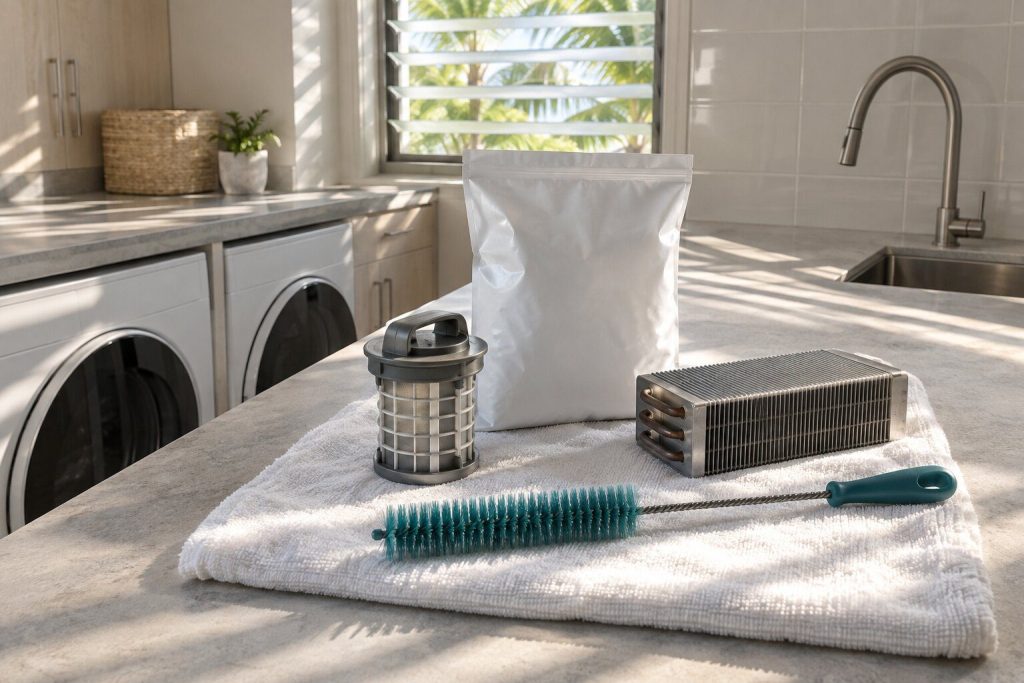
from $155 Appliance maintenance
A planned visit rather than a rescue, and on this make it pays for itself faster than on most. These are machines built to run for twenty years, which means the things that end them early are almost all maintenance items — a condenser filter packed solid in a laundry closet at eighty per cent humidity, a dishwasher filter stack nobody knew lifted out, a door seal cutting itself on grit. Every one of those is minutes of work and none of them announce themselves before they cost a part.
- Filters, seals, drains and airflow — the four that end machines early here
- One visit covers every Asko appliance in the property, not one machine
- Written record of what was found, so the next visit is not a fresh start
-
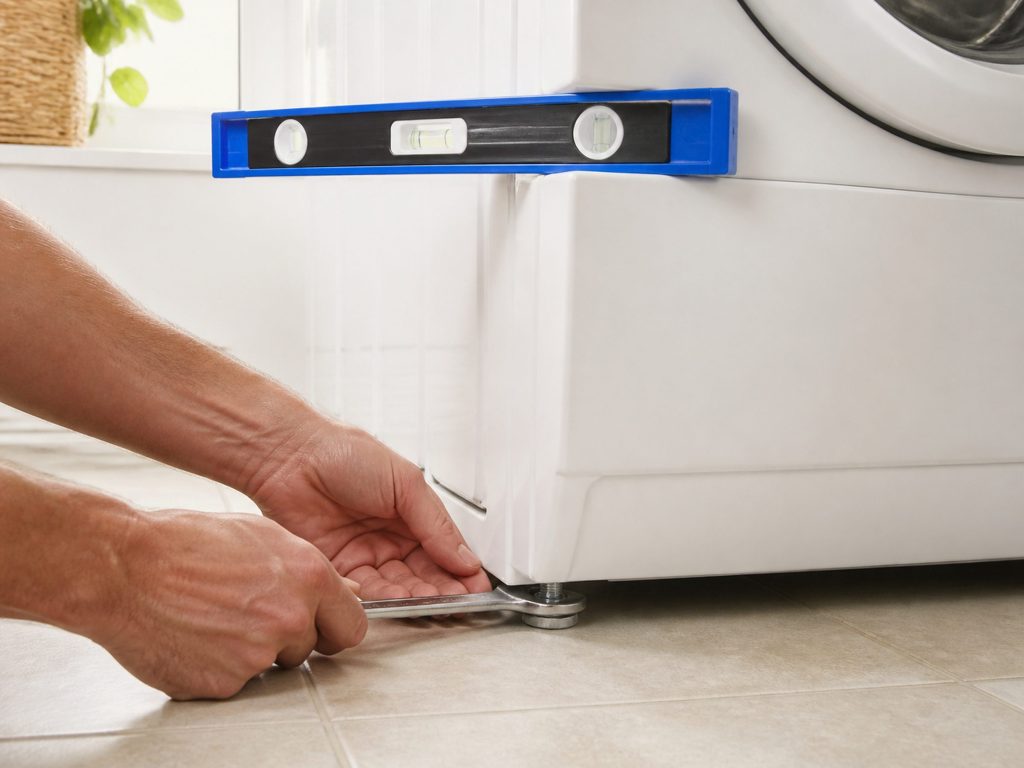
from $185 Appliance installation
Fitting a machine into a space that was drawn for another one, which in this county is most installations. On integrated equipment the appliance is the easy half: the panel, the scribe, the toe kick, the services behind and the air the machine needs to breathe are the work. We measure the opening before anything is ordered, because an integrated cabinet that does not fit is not a delivery problem, it is a joinery problem, and it is far cheaper to find out on a Tuesday with a tape measure.
- The opening measured before anything is ordered, not after it arrives
- Panel, scribe and toe kick treated as part of the job, not as somebody else's
- Air path checked and recorded — a boxed-in machine fails whatever is fitted
-
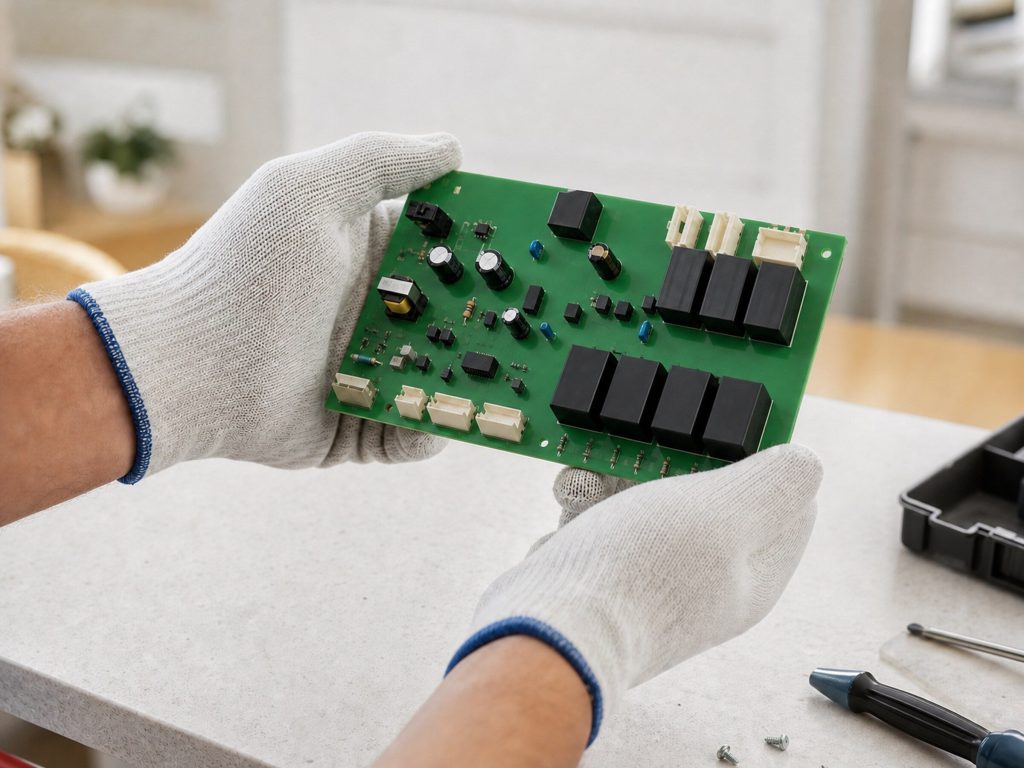
from $285 Control board repair
The repair where being honest about the supply chain matters more than being quick. Boards on this make come through a European channel, and on a machine that is no longer in the US catalog that is a real wait rather than a phrase. So the order here is fixed: prove the board is the problem, price the part with its lead time attached, and only then decide. A board fitted to cure a supply problem or a water-ingress problem will fail the same way in a season, and we would rather find the water.
- Proven, not assumed — the board is the last suspect, never the first
- Lead time is quoted with the price, because on this make it is part of the answer
- Water ingress and supply errors found first, or the new board follows the old one
-
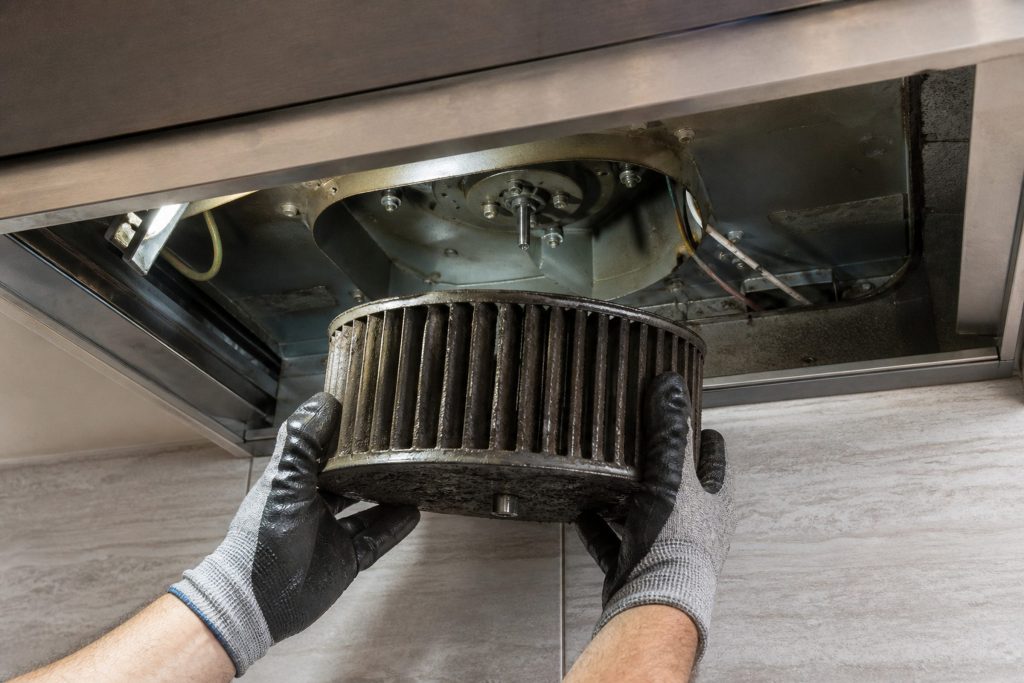
from $165 Range hood motor and blower service
A hood that has got louder, weaker, or has stopped altogether. The manuals for these carry no troubleshooting section whatsoever — three checked, all silent — so everything here comes from what actually fails. Noise that grew slowly is grease loading on the impeller and recovers with a proper clean; noise that arrived suddenly is a bearing or something loose in the housing and is worth stopping for. A hood that runs and does not clear the kitchen is usually not the hood at all.
- No troubleshooting section exists in the manuals — three checked, all silent
- Noise that grew is grease; noise that arrived is a bearing
- The outside vent tested before any part is discussed
-
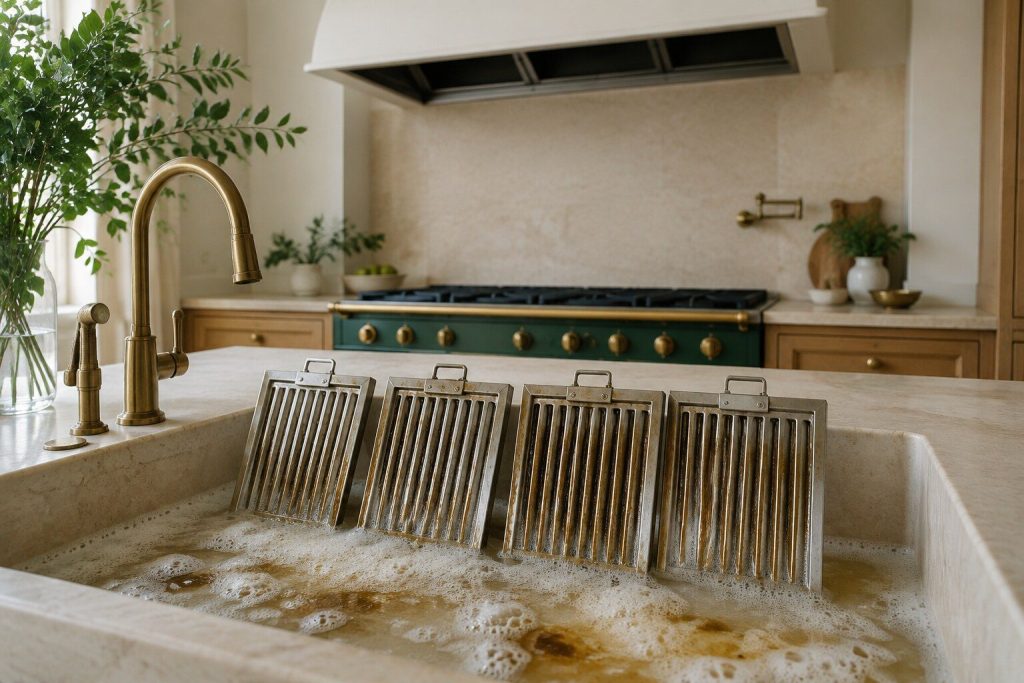
from $175 Hood liner service
The concealed liners this make is known for, built to vanish into somebody else's millwork, and that is exactly what makes them awkward. Getting to one means working inside a cabinet that was closed around it, often with no service access at all, and the honest position is that this is joinery work as much as appliance work. We say before the visit what will have to come off, and we do not open a cabinet we cannot put back.
- Access said out loud beforehand — this is joinery as much as appliance
- We do not open a cabinet we cannot close again to the same standard
- The duct above the liner is checked while it is the only chance to
-
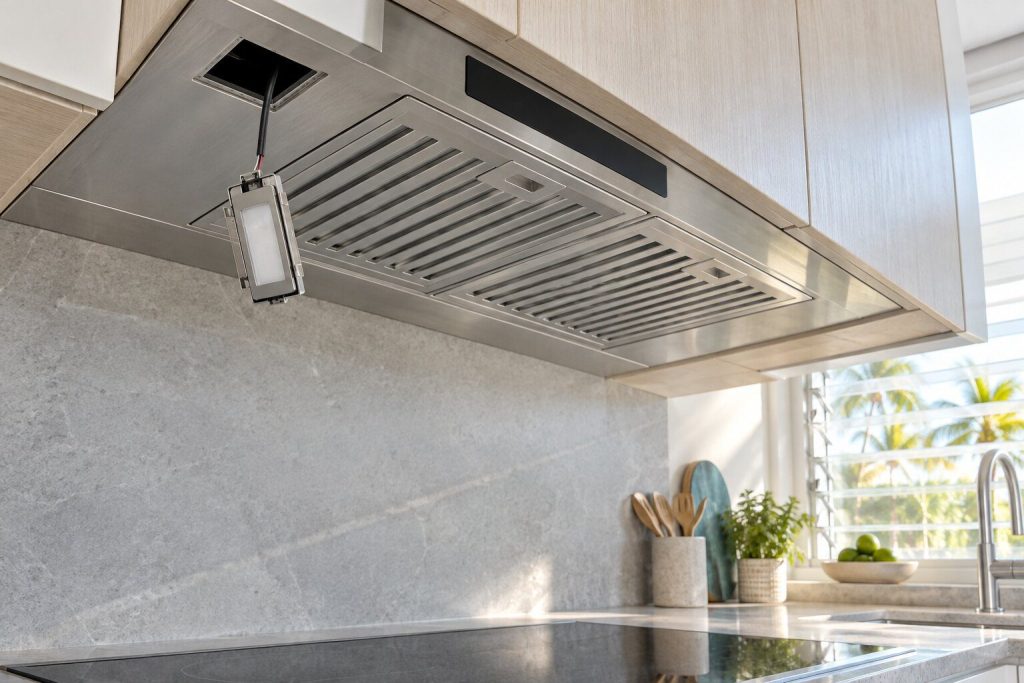
from $119 Hood light and control service
Lamps out, a touch strip that has stopped responding, or a hood that runs at one speed whatever is asked of it. Small work, and it splits the machine usefully: lamps and motor are generally on different circuits after the switch, so lights that work while the fan does not points away from the supply entirely. Touch strips are the common failure in a kitchen where the hood is wiped down every day, and they are a straightforward part.
- Lights working while the fan does not points away from the supply
- Touch strips fail from daily cleaning, and they are an ordinary part
- Lamp type matched to the liner, because the wrong one cooks its own holder
-

from $135 Salt air protection service
A visit that exists because of where these machines are rather than what they are. On a barrier island or a terrace kitchen, salt reaches hinges, fasteners, trim, backdraft dampers and the outdoor dishwasher's door long before anything electrical goes wrong, and every one of those is cheap while it is still moving and expensive once it is not. Nothing here is exotic: it is cleaning, treating and freeing things on a schedule, and it is the difference between a ten-year machine and a five-year one on this coast.
- Written for this coast: hinges, fasteners, dampers and outdoor doors
- Everything on the list is cheap while it still moves
- Best booked with another visit, since it is an hour rather than an afternoon
In more detail
About Asko range hoods
Concealed liners, and manuals that say nothing
Mostly concealed liners built to disappear into the cabinet above the hob, so that only a strip of steel and a slide-out shows. Three manuals were read and not one carries a troubleshooting section — not a thin one, not a symptom table, none at all.
Four things fail, and a fifth on this coast
The motor, the switch or touch strip, the lamps, and the duct somebody else installed. The fifth is local: a backdraft damper salted shut stops extraction completely while the hood carries on sounding exactly as it always did, and nobody looks for it.
This article is based on:
- Official manufacturer documentation
- Internal repair procedures
- Technician repair history
- Company quality standards
Before you book
Questions about Asko range hoods
It runs but it does not clear the kitchen.
In nine cases out of ten the ductwork is to blame and the hood is not. A liner moving air correctly into a run that is too long, too narrow, full of grease or ending at a damper that has salted shut will sound exactly like a hood that works. Before a part is discussed we check what happens at the outside vent with the hood on full — if nothing moves out there, nothing inside the hood is to blame.
Lamps come on, the motor stays silent.
That splits the machine neatly, since the lamps and the motor are usually on different circuits after the switch. It points at the motor, its capacitor or the control strip rather than at the supply. On the touch-strip models the strip itself is a common failure in a kitchen where it is wiped down daily, and it is a straightforward part.
It has got much louder.
Grease loading on the impeller is the usual cause and it is gradual, so people notice it as a change rather than as a problem. Filters that go through the dishwasher and an impeller cleaned properly recover most of it. Noise that arrives suddenly is a different thing — a bearing or something loose in the housing — and that one is worth stopping and calling about rather than living with.
Can a recirculating one be ducted outside?
Frequently yes, and on this coast the question is worth raising, since a recirculating liner hands heat and moisture back to a kitchen with a surplus of both. Whether it can be done depends on the run available above the cabinets and on the building, which is a question for the condominium as much as for us. We will say what the hood is capable of; the route is somebody else's permission.
Where we do it
Across Miami-Dade, Broward, and Palm Beach
Same terms everywhere we go: an on-site diagnostic first, the price agreed in writing, and the exact figure confirmed once we have seen the unit.
Neighborhoods people ask for by name