Appliance
Asko commercial installations
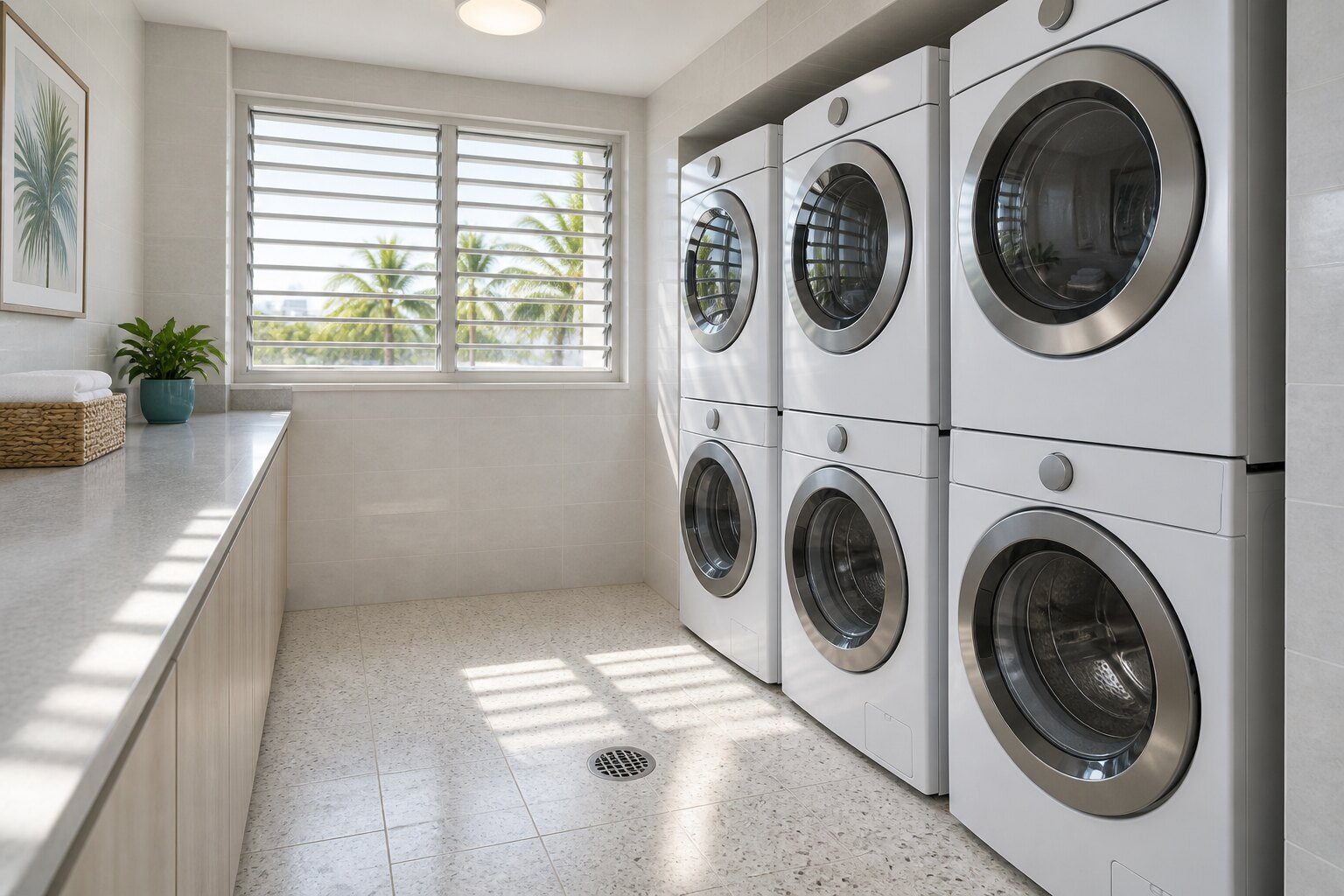
This is not a commercial catalog page, because there is no US commercial catalog on this badge to write one from. It is about a real situation instead: domestic Asko laundry doing commercial-scale work. A stacked pair in a condominium amenity room, a boutique hotel's housekeeping closet, a salon washing towels twice a day — machines specified for a household and asked to run twenty cycles a week. They tolerate it better than most, which is exactly why they end up doing it, and the failure pattern that follows is its own thing: wear parts arrive years early and everything else arrives on schedule. A maintenance interval that suits a family is the wrong interval for a building, and getting that number right is most of what we do here.
- 4 symptoms we are called out to
- From $95 diagnostic, credited to the repair
- 59 cities and neighborhoods covered
- OEM parts available on order
The short version
What this equipment is, for a repair
Configurations
Domestic machines under building duty · the honest version of a commercial page
Access
Planned before the visit, not discovered on arrival
Parts
OEM, available on order
Diagnostic
From $95, credited to the repair
What goes wrong with it
Symptoms we are called out to on Asko commercial installations
Each one covers the likely causes in the order they are worth checking, and what to do in five minutes before booking anything.
-
The drum is full of water at the end of the program Washer not draining
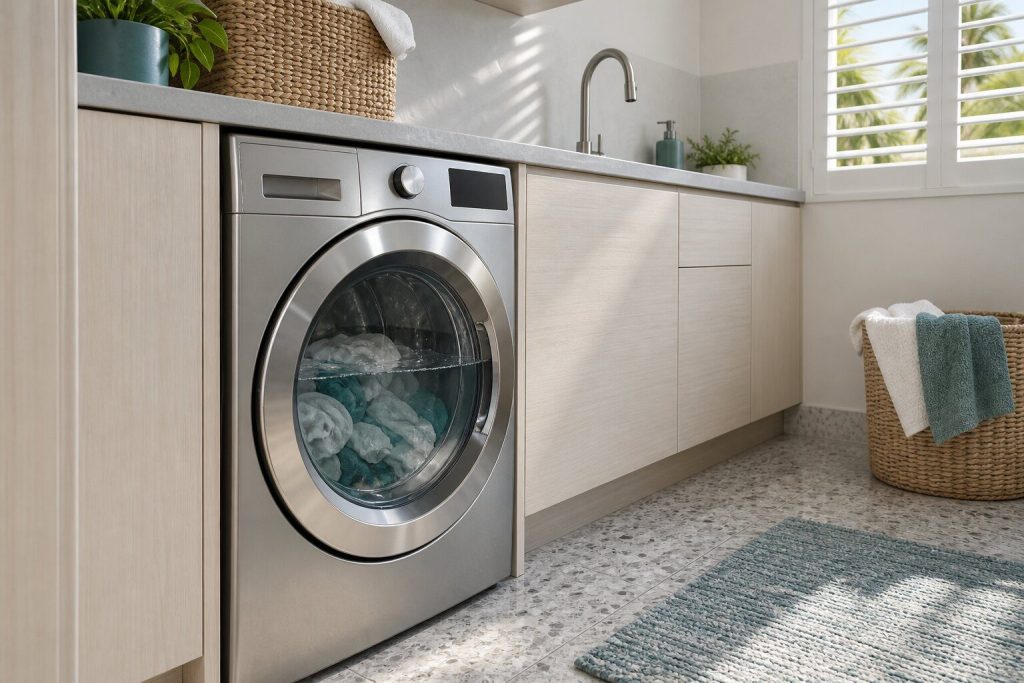
A cycle that has finished with the water still in it, and a machine that then refuses to spin — that refusal is deliberate rather than a second failure, because spinning a full drum would put the water on the floor. How the machine says so depends entirely on the panel: the display models print a number, the numbered-LED models a short code from an unrelated family, the analog ones a letter and a light, and the premium panels write out a sentence. Behind every one of them is the same short path from sump to standpipe, and the cheap end of it ends most of these.
- The pump filter is behind the lower panel and it is free to check
- Empty the drum through the drain hose BEFORE opening the filter cap
- Five different code families describe this — the model decides which one you have
-
Water on the laundry floor and no obvious source Washer leaking
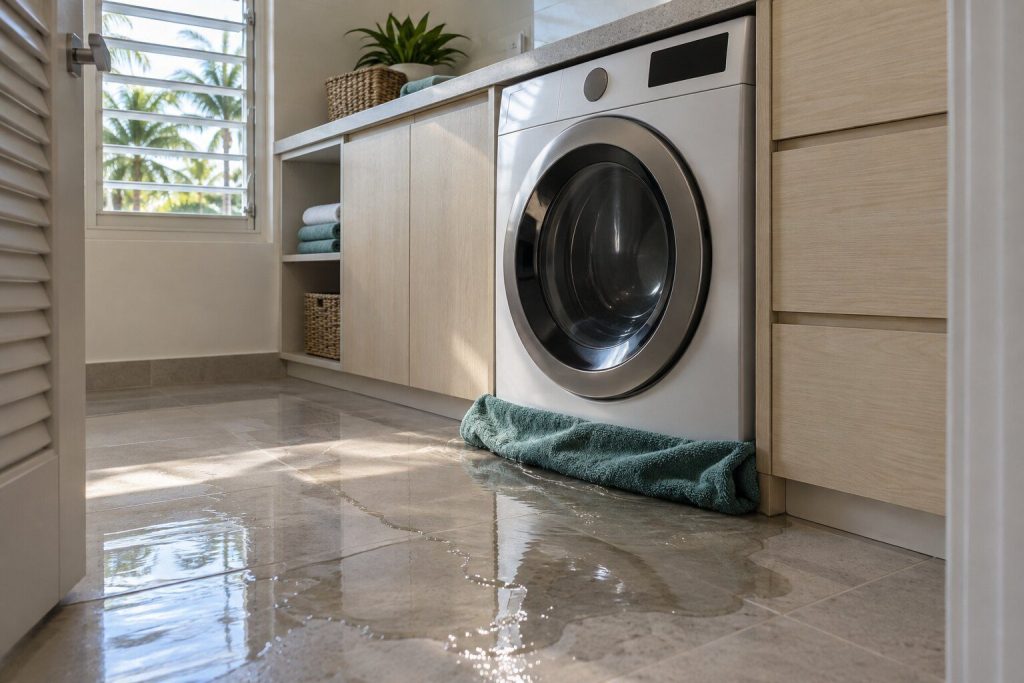
Water appearing under or beside the machine, and by the time it shows on the tile it has usually traveled along the frame from somewhere else. Three places account for nearly all of it: the door seal, where grit collects in the bottom fold and cuts the rubber from the inside over months; the pump filter cap, very often after somebody cleared a blockage and did not seat it; and the hose unions at the wall. In a condominium this matters further than the machine does, because water in a laundry closet reaches a floor slab and then somebody else's ceiling.
- Turn the taps off and stop using the machine — a program uses several gallons
- Check the filter cap first if anyone has cleared a blockage recently
- In a building this is a shared problem long before it is an expensive one
-
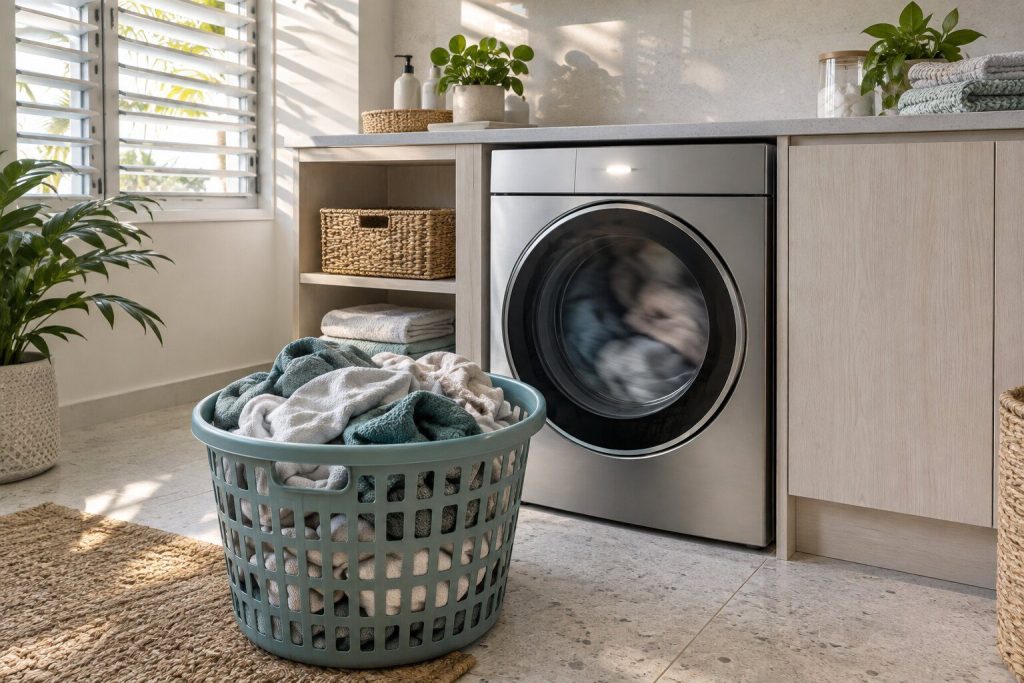
The program finishes and the load is still damp Dryer not drying
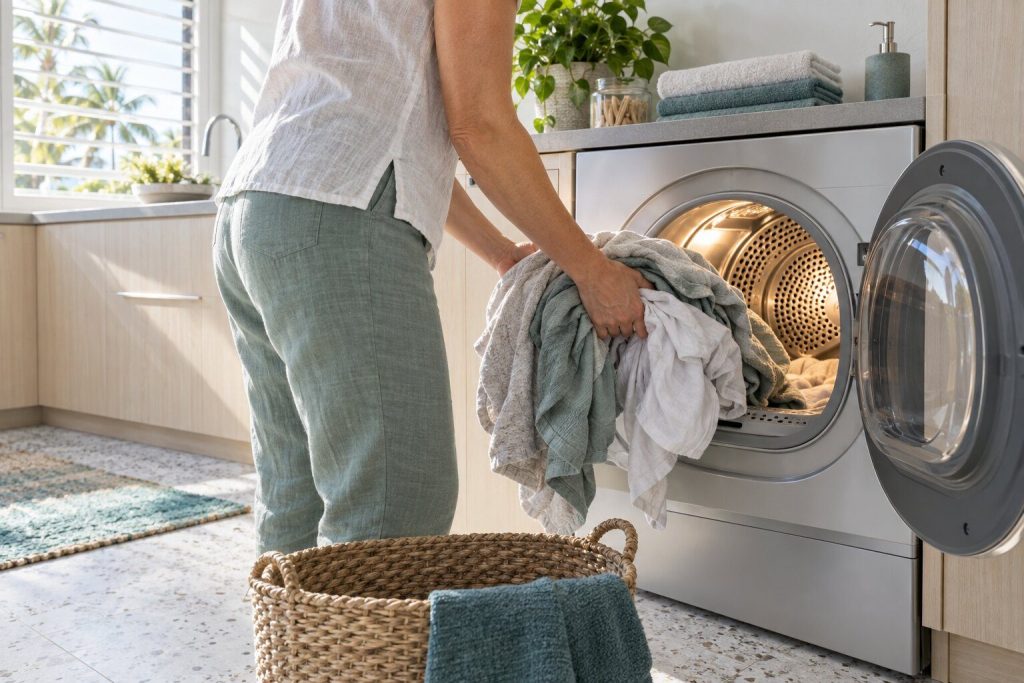
A cycle that runs its full length and leaves the washing wet. On a condenser or heat pump machine — which is what this badge sells — this is almost never about heat, and that is the thing worth understanding before anybody is called. Nothing is being blown outside: moisture is condensed out of the air and collected, so the machine depends on three separate filters and a condenser staying clear. In a South Florida laundry closet those load far faster than any manual assumes, and clearing them ends this complaint more often than any part.
- Three filters, not one — door lint, condenser, and the water container
- The condenser filter is behind the plinth and most owners never knew it existed
- Sensor bars filmed with softener tell the machine a wet load is dry
-
It still dries, but the cycle has doubled Dryer takes far longer than it used to
Nothing has failed and everything takes twice as long — the most gradual complaint on this machine and the one people put down to age. It is almost never age. A condenser dryer's cycle length is a direct measure of how well air moves through it, so a program that has quietly grown from ninety minutes to three hours is reporting a blocked path in the only language it has. There is a limit built in at two hundred minutes, and every dryer platform on this badge has a code for hitting it, under a different name on each revision.
- Cycle length is the measurement — write down what a standard load takes now
- Every platform here stops at two hundred minutes and reports it differently
- Lint past the filter collects inside the cabinet, where no owner check reaches
What we do on it
Repairs we carry out on Asko commercial installations
Starting figures for this equipment in South Florida. The exact cost is confirmed after an on-site diagnostic — and this is not the whole list of what can go wrong, so call if your problem is not here.
-
from $95 Diagnostic visit
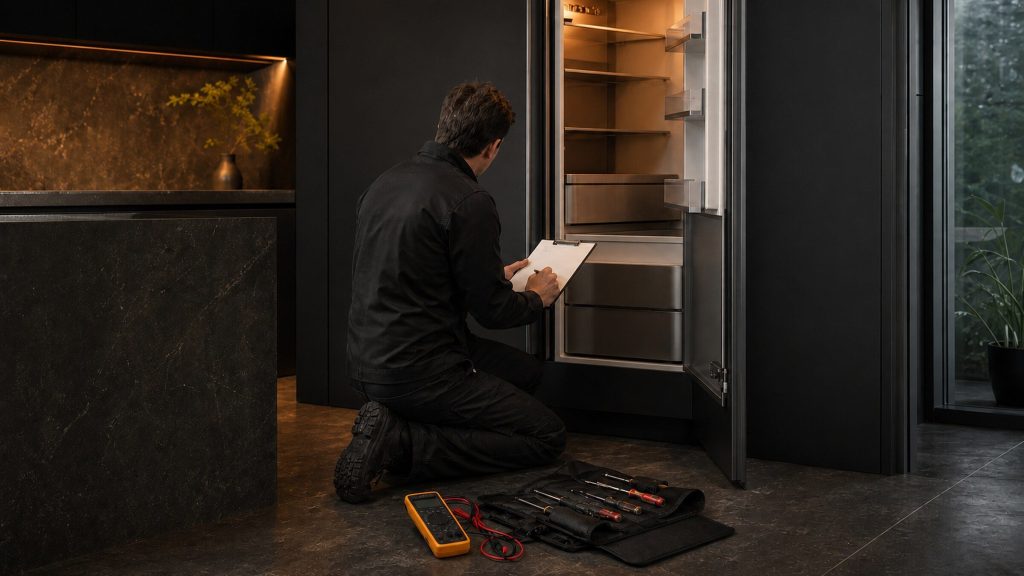
Establishing what is actually wrong with the machine, ahead of naming or costing a part. Here one thing has to be settled before the complaint can even be read: which generation is standing in the kitchen. Digits on this badge belong to whichever board prints them, so a dishwasher, washer or dryer measured against the wrong table produces a confident answer and an incorrect part. You keep the charge against the repair when the work goes ahead; where our view is that spending money on this machine makes no sense, that view is what you have paid for and the amount stays the same.
- Generation before symptom — it settles which table the digits belong to
- The number is written down before the work, and it comes off the repair
- Where mending makes no sense we say it, instead of finding a part to sell
-
from $155 Appliance maintenance
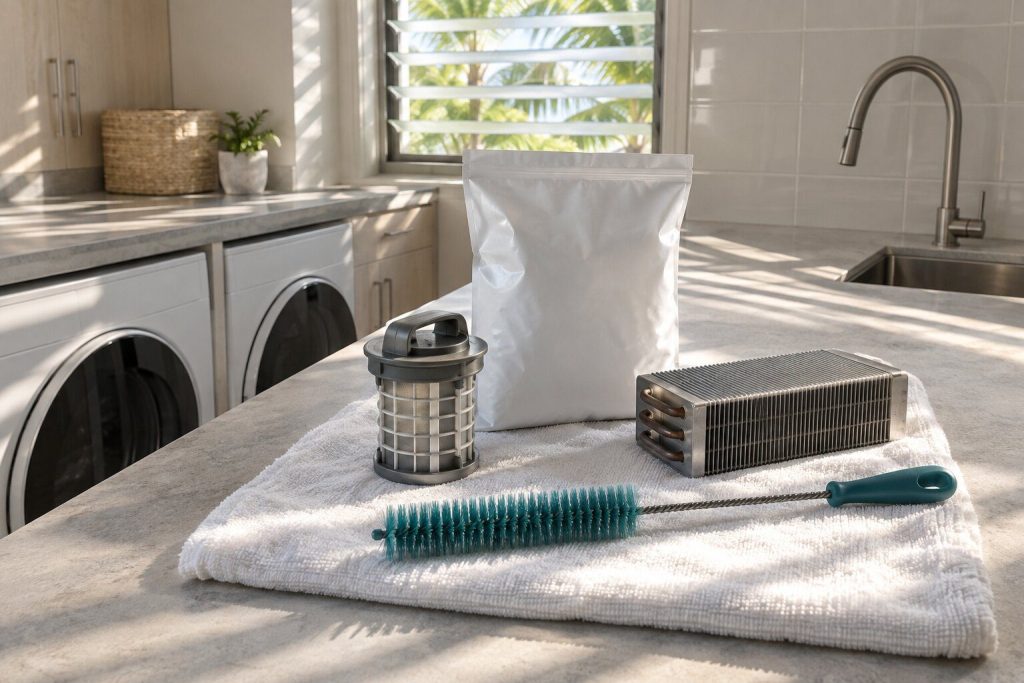
A planned visit rather than a rescue, and on this make it pays for itself faster than on most. These are machines built to run for twenty years, which means the things that end them early are almost all maintenance items — a condenser filter packed solid in a laundry closet at eighty per cent humidity, a dishwasher filter stack nobody knew lifted out, a door seal cutting itself on grit. Every one of those is minutes of work and none of them announce themselves before they cost a part.
- Filters, seals, drains and airflow — the four that end machines early here
- One visit covers every Asko appliance in the property, not one machine
- Written record of what was found, so the next visit is not a fresh start
-
from $185 Appliance installation
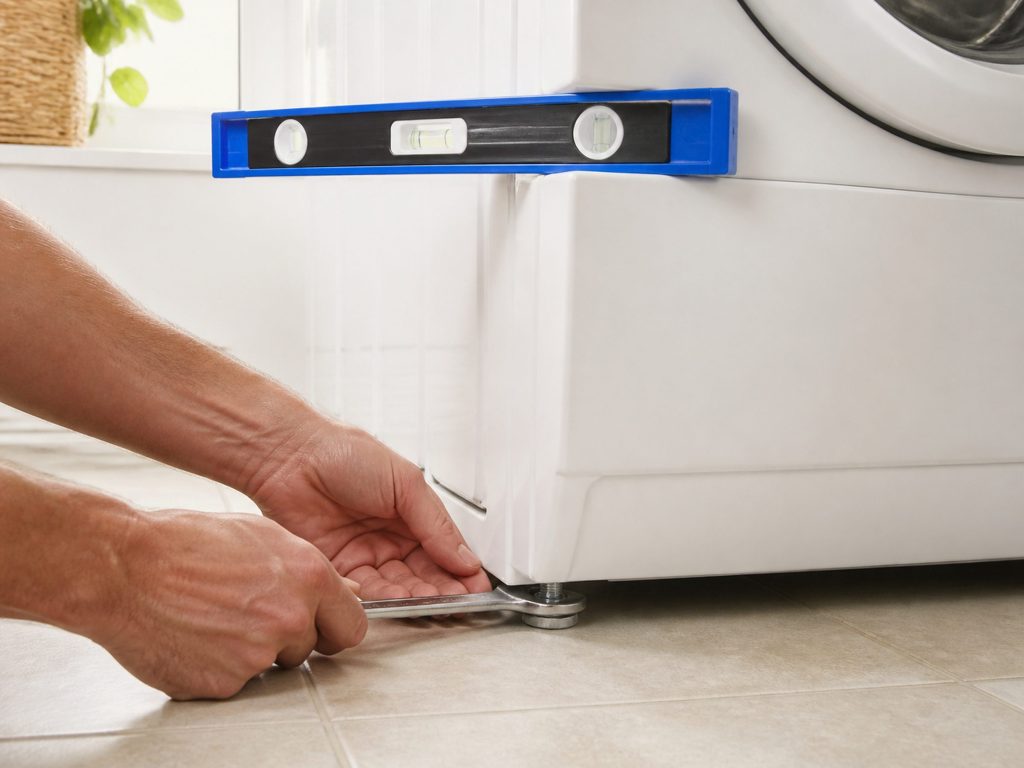
Fitting a machine into a space that was drawn for another one, which in this county is most installations. On integrated equipment the appliance is the easy half: the panel, the scribe, the toe kick, the services behind and the air the machine needs to breathe are the work. We measure the opening before anything is ordered, because an integrated cabinet that does not fit is not a delivery problem, it is a joinery problem, and it is far cheaper to find out on a Tuesday with a tape measure.
- The opening measured before anything is ordered, not after it arrives
- Panel, scribe and toe kick treated as part of the job, not as somebody else's
- Air path checked and recorded — a boxed-in machine fails whatever is fitted
-
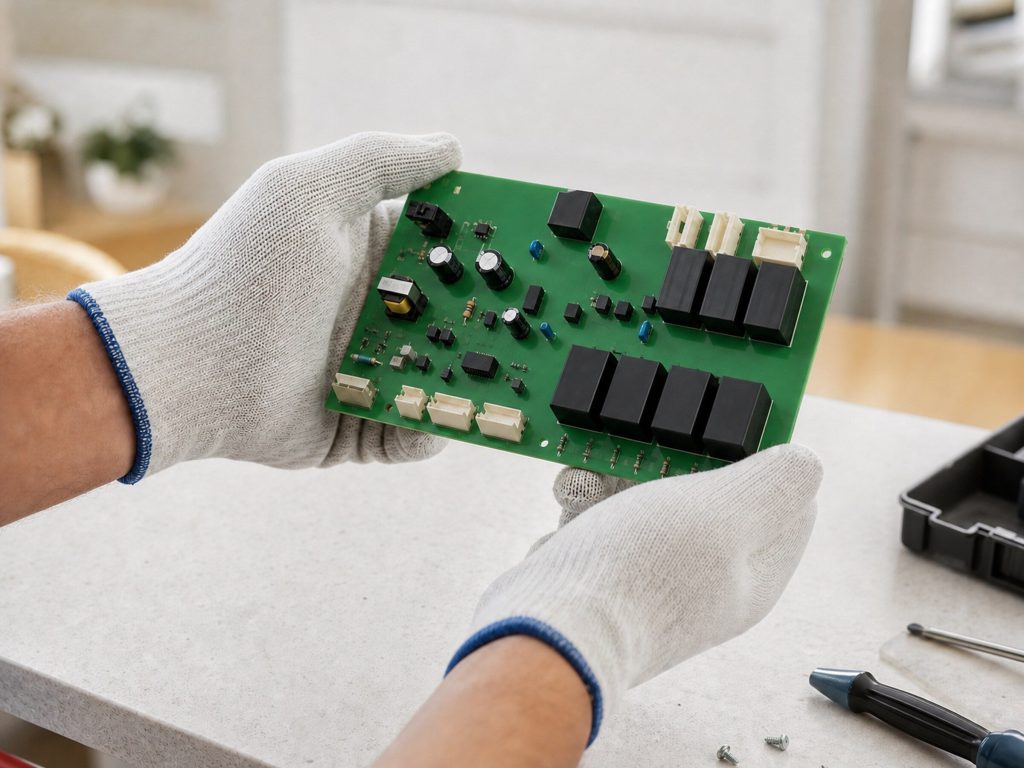
from $285 Control board repair
The repair where being honest about the supply chain matters more than being quick. Boards on this make come through a European channel, and on a machine that is no longer in the US catalog that is a real wait rather than a phrase. So the order here is fixed: prove the board is the problem, price the part with its lead time attached, and only then decide. A board fitted to cure a supply problem or a water-ingress problem will fail the same way in a season, and we would rather find the water.
- Proven, not assumed — the board is the last suspect, never the first
- Lead time is quoted with the price, because on this make it is part of the answer
- Water ingress and supply errors found first, or the new board follows the old one
-
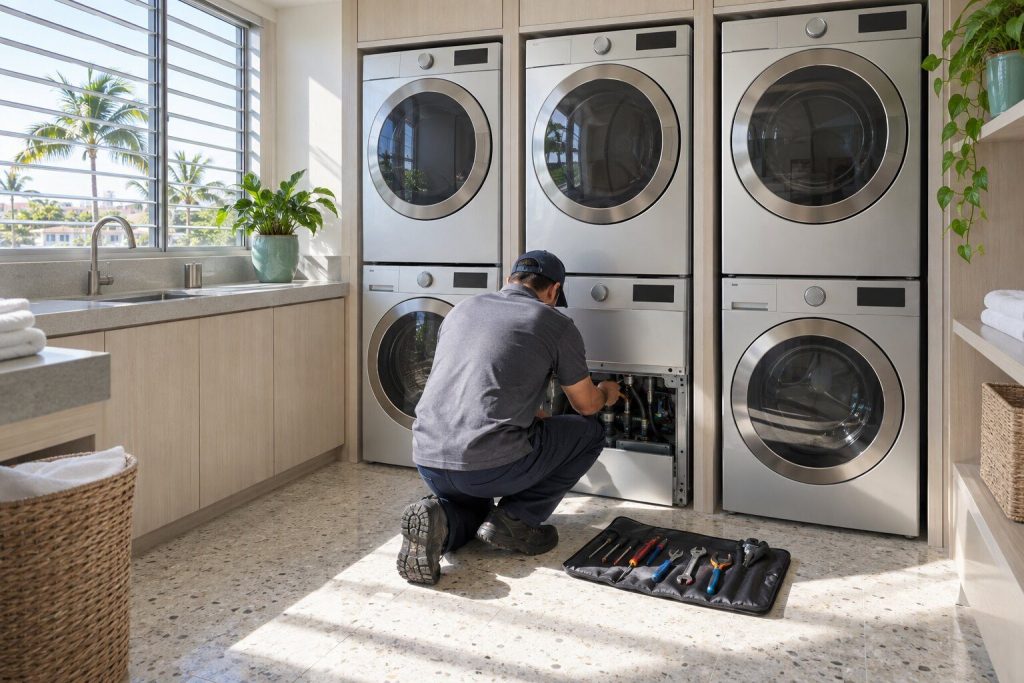
from $225 Commercial laundry service
Domestic Asko laundry doing commercial-scale work, which is the honest description of almost every building machine on this badge — there is no US professional catalog to pretend otherwise about. A condominium amenity room, a boutique hotel's housekeeping closet, a salon washing towels twice a day. These machines tolerate it better than most, which is exactly why they end up doing it, and the failure pattern is its own: wear parts arrive years early and everything else arrives on time.
- Said plainly: these are domestic machines under building duty
- Same-day turnaround, because there is no second laundry room
- One contact who is not a resident, and a written record after every visit
-
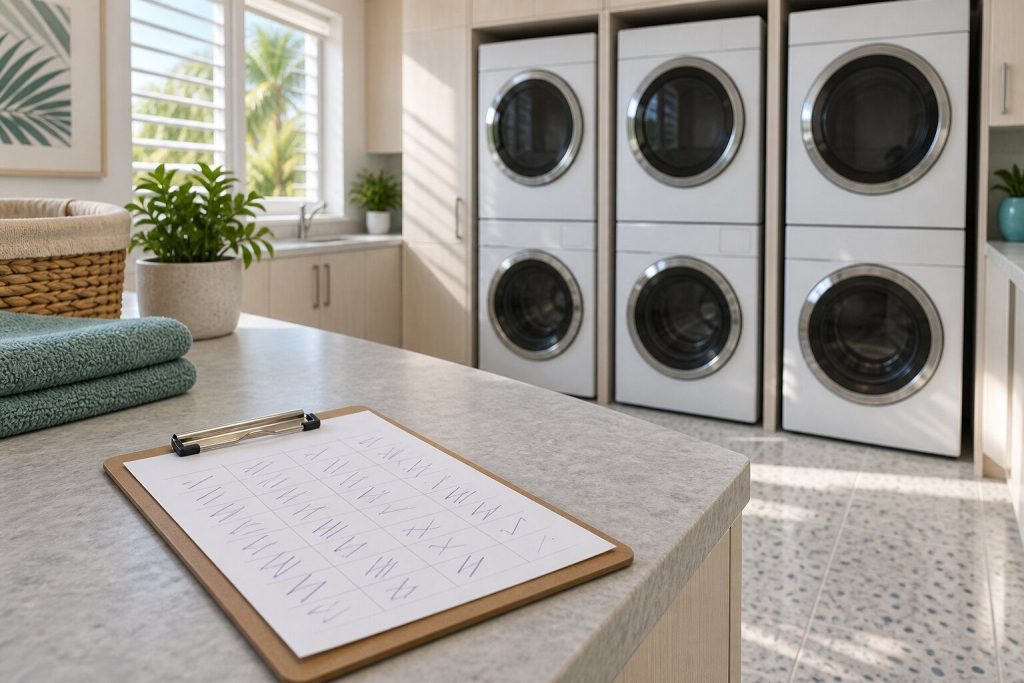
from $195 Building laundry maintenance plan
Planned work for amenity rooms and housekeeping closets, priced as planned work rather than as a series of emergencies. The argument for it is one number: a household pair runs perhaps five cycles a week, and an amenity room in a fifty-unit building can run that in a day — so it reaches a year of domestic wear in about six weeks. The consequence of missing that is not an inconvenience. A door seal that has been cutting for a month puts water into a slab, and in a condominium that becomes several units' problem.
- The interval is set by cycles per week, not by the calendar
- A cutting door seal in a condominium ends as somebody else's ceiling
- Spares held on site turn a two-visit repair into one
In more detail
About Asko commercial installations
Domestic machines under building duty
There is no US commercial catalog on this badge, so this page is about what actually happens: domestic Asko laundry doing commercial-scale work. A stacked pair in a condominium amenity room, a boutique hotel housekeeping closet, a salon washing towels twice a day. They tolerate it better than most, which is exactly why they end up doing it.
Cycles, not months
An amenity room can run a household week of cycles in a day, so it reaches a year of domestic wear in about six weeks. Wear parts arrive years early — seals, pump filters, shock absorbers — and everything else arrives on schedule. Setting that interval from a cycle count off the machine is most of what we do here.
This article is based on:
- Official manufacturer documentation
- Internal repair procedures
- Technician repair history
- Company quality standards
Before you book
Questions about Asko commercial installations
Do you take on buildings and not just apartments?
Yes, and the work is different enough to be worth saying so. A building wants a scheduled visit, a written record of what was found and one contact who is not a resident, and it wants the machine back the same day because there is no second laundry room. We quote that as planned work rather than as a call-out, and the figure for it is agreed in writing before anything is put in a calendar.
How often should machines in an amenity room be serviced?
By cycles rather than by months. A household pair runs perhaps five cycles a week; an amenity room in a fifty-unit building can run that in a day, so it reaches a year's domestic wear in about six weeks. We set the interval from a cycle count off the machine rather than from a rule of thumb, and the first visit is where we get that number.
What fails first under that kind of use?
Door seals first, then pump filters, then shock absorbers — every one of them worn out by cycle count rather than by years. The consequence of missing them is what costs money: a seal that is cutting will eventually put water into the floor slab, and in a condominium that stops being a laundry repair and becomes several units' problem. That is the argument for a schedule, and it is the only argument we make for one.
Can you keep spares on site?
For buildings we service on a schedule, yes, and it is usually the cheapest thing a manager can agree to. A seal, a pump filter and a set of hoses in a cupboard turn a two-visit repair into one, and the parts do not expire. We will say which parts are worth holding for the specific machines in the room rather than sell a kit that half fits.
Where we do it
Across Miami-Dade, Broward, and Palm Beach
Same terms everywhere we go: an on-site diagnostic first, the price agreed in writing, and the exact figure confirmed once we have seen the unit.
Neighborhoods people ask for by name