Safety & Risks
The Lint You Cannot See in an Asko Dryer
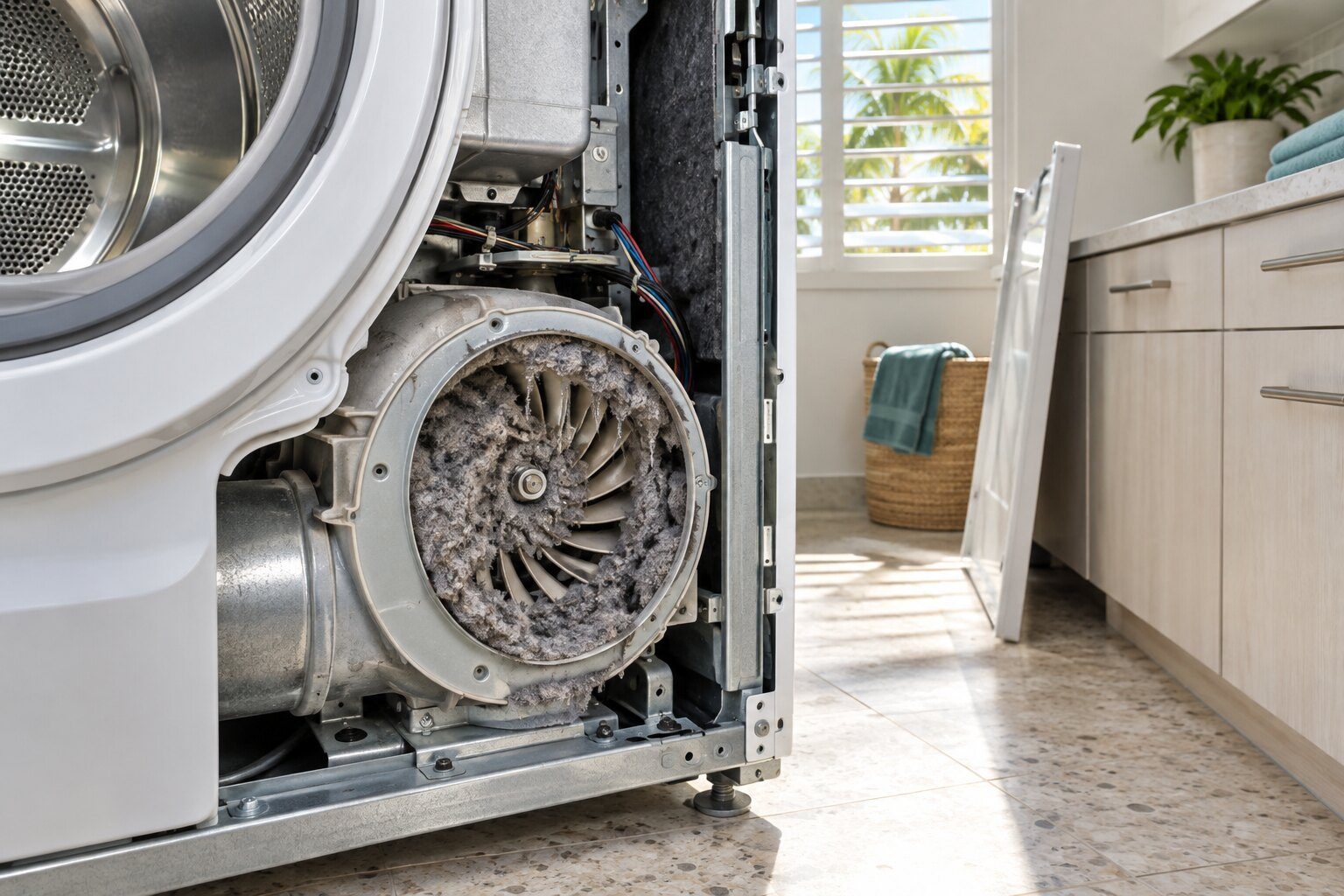
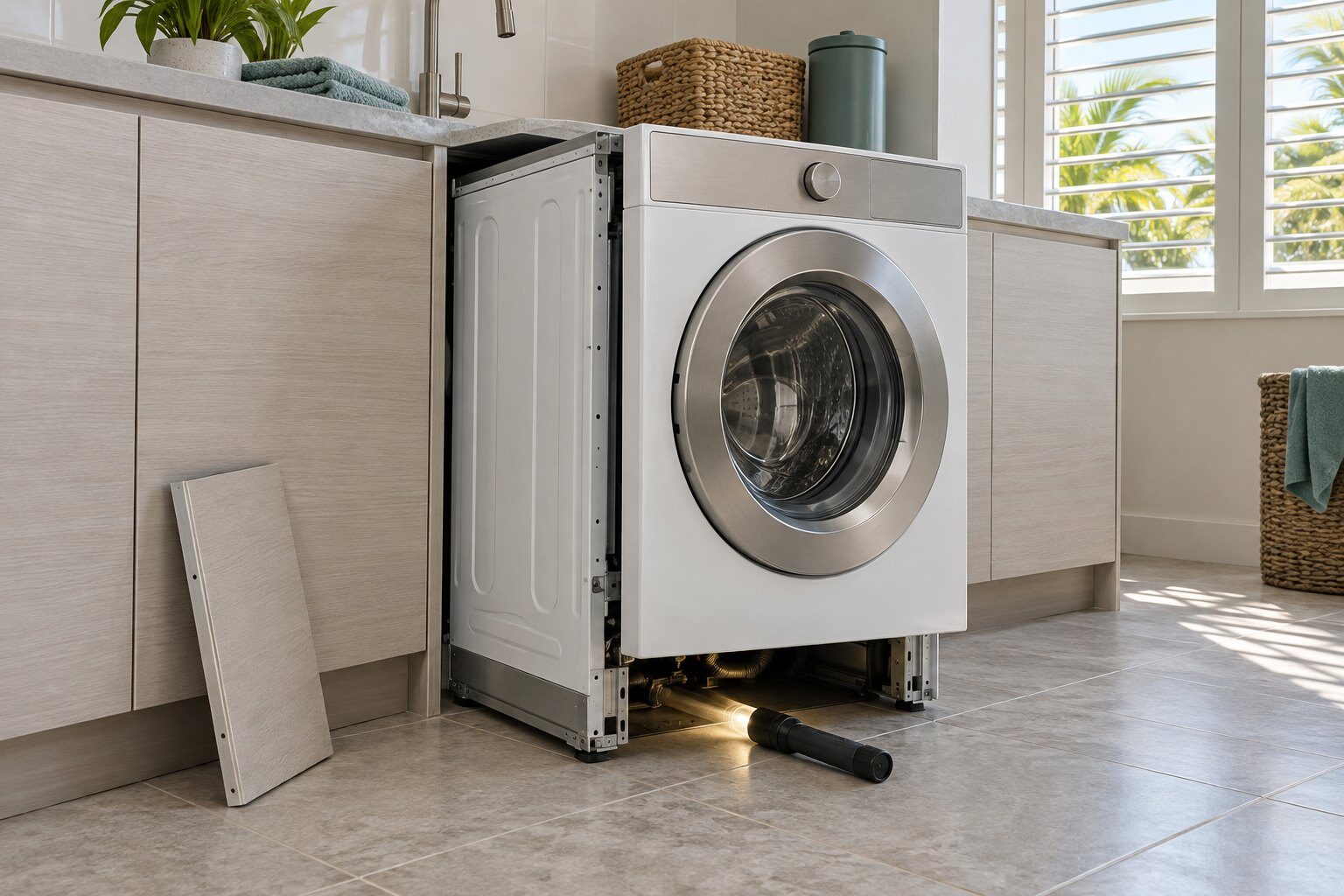
The lint filter in an Asko dryer door catches the large material and plenty gets past it. That fine lint travels with the air into the machine, collects around the fan and against the heat exchanger, and stays there — where no owner-level check reaches and where there is no code, no warning light and no message of any kind. What it does is lengthen every cycle and raise the running temperature inside the cabinet, and on any dryer of any make that is the mechanism that turns an appliance into a fire. The only symptom is a machine that takes longer than it used to, which almost everybody puts down to age. Time a standard load twice a year and write the number down; drift in that figure is the warning the machine cannot give you.
The full guide
Every dryer has a filter you can see and a place lint collects that you cannot. The second one has no warning light.
Where it actually goes
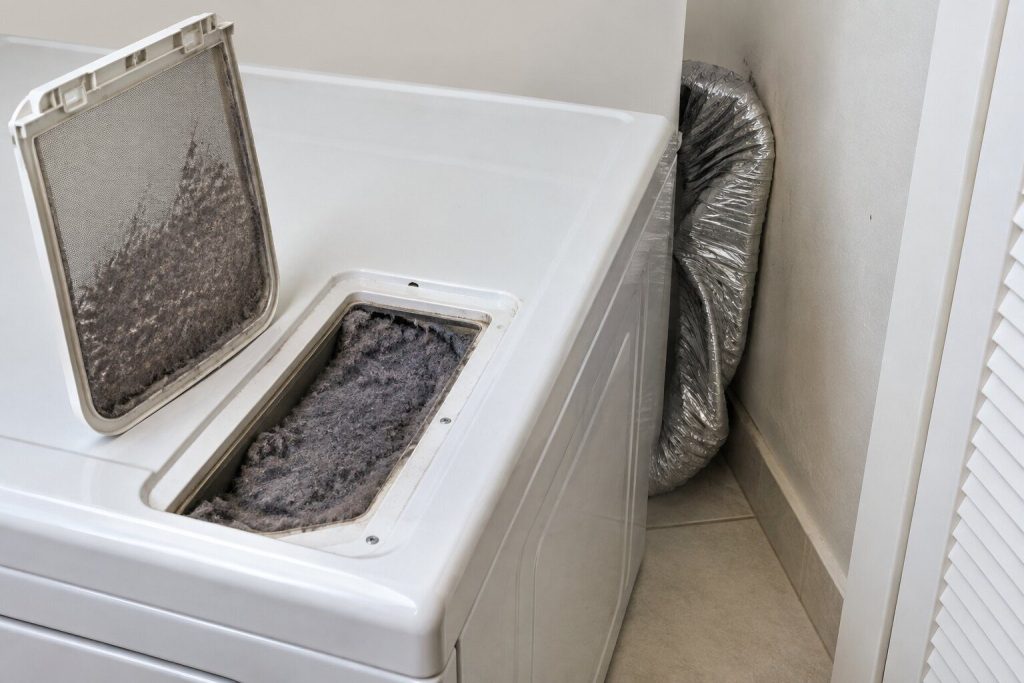
The filter in the door opening catches the visible material — the grey sheet you peel off after a load. It does not catch everything, and it was never meant to. Fine lint passes through the mesh with the air, travels into the machine, and settles in three places:
- The fan housing, where it builds on the blades and unbalances them.
- The heat exchanger or condenser, where the air is wet and lint mats rather than blowing on.
- The base of the cabinet, where it simply accumulates.
None of that is reachable from the front. There is no flap, no cover and no service position for it.
What it does
Two things, and the first is what people notice. Airflow drops, so cycles lengthen — a machine that dried a load in ninety minutes takes two hours, then two and a half, over a couple of years.
The second is the one that matters. A machine moving less air runs hotter internally, and the material accumulating in it is combustible. That is the mechanism behind dryer fires on every make and every fuel, and the reason this article sits under safety rather than under maintenance.
Nothing reports it
There is no code for lint inside a cabinet. There is no sensor watching for it. The TD70.3 panels raise a clean-the-filter reminder every hundred cycles, and that is about the door filter — useful, and not this.
So the machine's silence means nothing at all here, which is unusual and worth saying plainly.
The measurement that substitutes for a warning
Time a standard load, start to finish, door shut. Write the number on a card inside the closet door. Repeat in six months.
Drift in that number is the warning the machine cannot give you. Ninety minutes becoming a hundred and twenty is not the machine getting old — it is airflow, and airflow is either the filters or what has collected past them.
What clearing it involves
The panels come off, the fan housing and the ducting inside the machine are cleared, the exchanger is cleaned, and the running temperature is measured afterwards and compared against what the platform should hold. That last step is what turns the visit from a tidy-up into something with a number attached.
It is the cheapest job on our list, and the one we would most like people to book on a schedule rather than after a bad afternoon.
If it turns out to be a repair
What this leads to, and what it costs
Every job on this site is priced the same way: an on-site diagnostic first, the figure agreed in writing before anybody starts.
-
from $119 Dryer lint and airflow service
The cheapest visit on this list and the one we would most like people to book. Lint that gets past a filter collects inside the cabinet, around the fan and against the heat exchanger, where it lengthens every cycle, raises the running temperature and — on any dryer, of any make — is what turns an appliance into a fire. There is no code for it and no warning light. There is only a machine that takes longer than it used to, which everybody puts down to age.
- No code, no light — the only symptom is a cycle that has quietly got longer
- Lint inside the cabinet, not in the filter, is what matters here
- Booked with the washer service, it is one visit for the whole laundry closet
-
from $145 Condenser dryer service
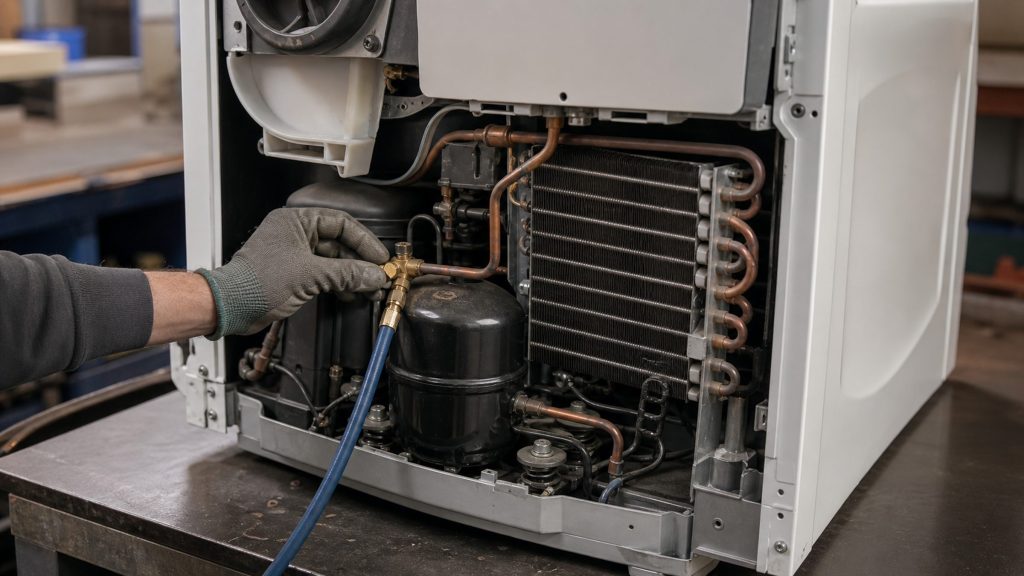
The maintenance visit these machines need on a schedule and rarely get. A condenser dryer works by pulling moisture out of air and giving the heat back, and it is being asked to do that in a closet that may sit at eighty per cent humidity for half the year. Nothing about that is a failure — it is a shorter interval. The machines that reach fifteen years here are the ones where somebody cleared the condenser twice a year instead of waiting for a cycle that never ended.
- A schedule, not a rescue — and the interval here is shorter than the manual's
- Condenser block washed out properly rather than tapped clear
- Cycle times recorded, so the next visit can see whether it is drifting
-
It still dries, but the cycle has doubled Dryer takes far longer than it used to
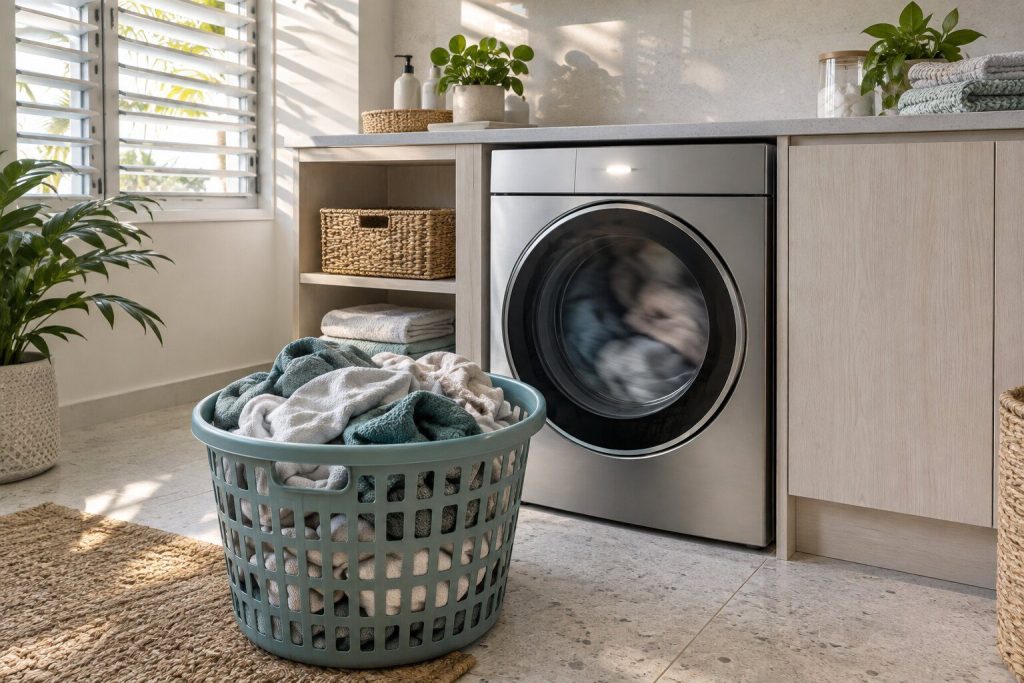
Nothing has failed and everything takes twice as long — the most gradual complaint on this machine and the one people put down to age. It is almost never age. A condenser dryer's cycle length is a direct measure of how well air moves through it, so a program that has quietly grown from ninety minutes to three hours is reporting a blocked path in the only language it has. There is a limit built in at two hundred minutes, and every dryer platform on this badge has a code for hitting it, under a different name on each revision.
- Cycle length is the measurement — write down what a standard load takes now
- Every platform here stops at two hundred minutes and reports it differently
- Lint past the filter collects inside the cabinet, where no owner check reaches
Questions people ask about this
Does this apply to condenser dryers too?
Yes, and people assume it does not because nothing is vented outside. The lint still gets past the filter and it still collects — in fact it collects more readily, because the air inside a condenser machine is damp and wet lint mats rather than blowing through.
Can I open the cabinet myself?
We would rather you did not. It is not a filter behind a flap — the panels come off, the machine has mains wiring and a heater or a sealed refrigeration circuit inside, and putting it back wrong is worse than leaving it. This is an hour of somebody else's time and it is the cheapest visit on our list.
How urgent is it really?
On a machine cleared in the last couple of years, not urgent. On one that has never been opened in ten years of use in a hot closet, book it. The temperature rise is gradual and the machine gives no sign, which is precisely why it is worth a date in a calendar rather than a reaction.
Safety & Risks
More guides like this one
-
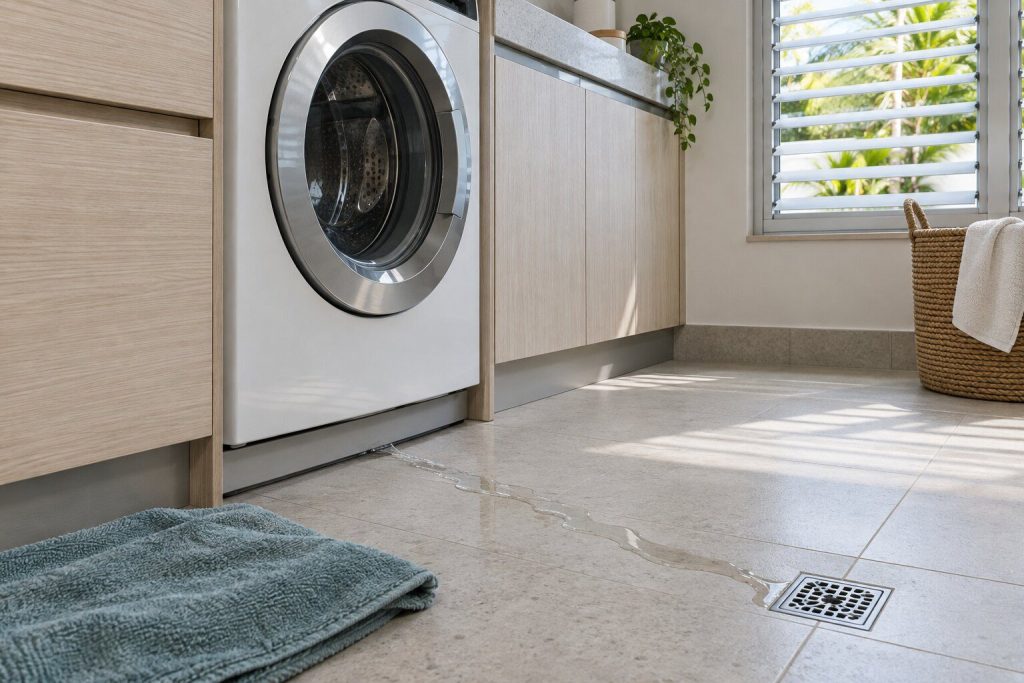
A Small Leak Under an Asko Washer Is Not a Small Problem in a Condominium
A washing machine moves several gallons per program. A leak that puts a cup on the tile during a wash puts considerably more into the structure over a week of ordinary use.
Read more -
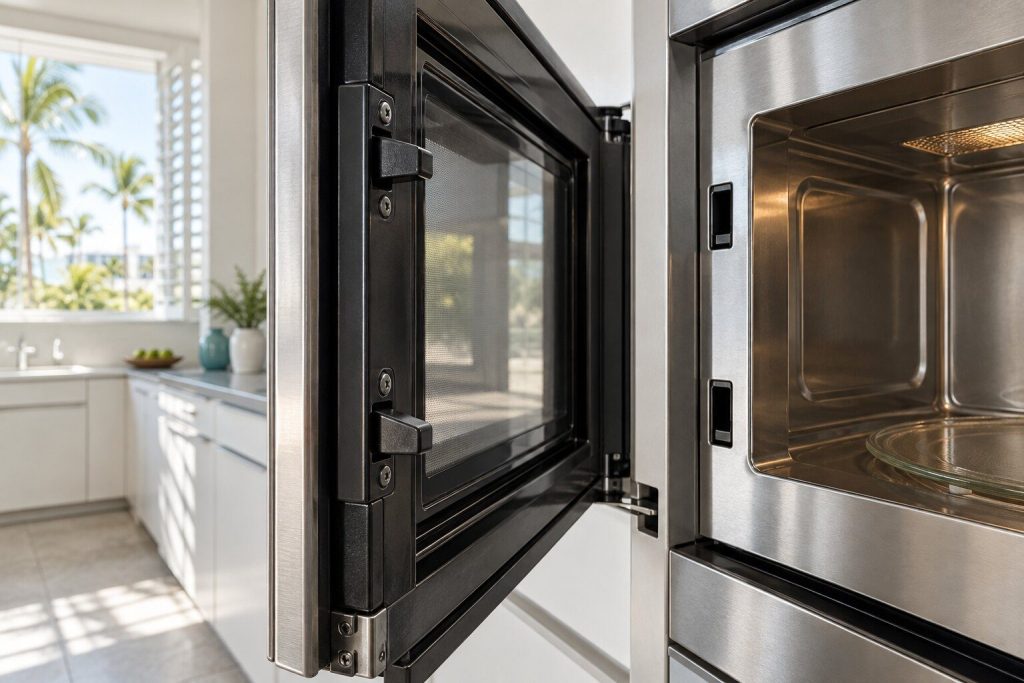
An Asko Microwave Door That Needs a Push: Stop Using It
A microwave door is a shielding component, not a lid. Three interlock switches in series prove to the machine that it is safe to run, and a door that has dropped stops satisfying them.
Read more -
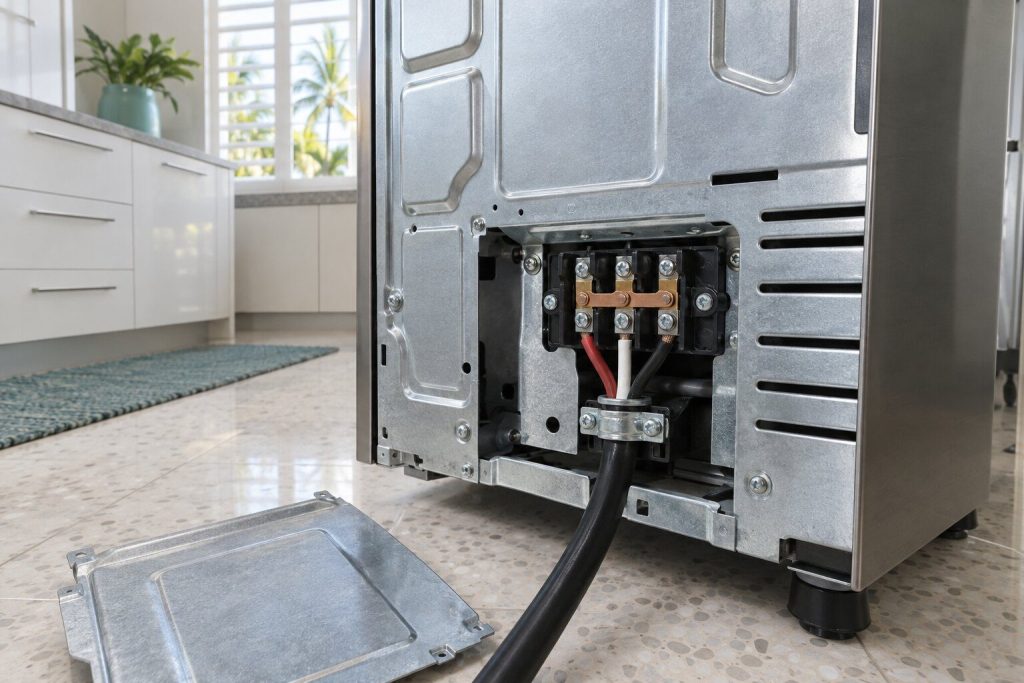
An Imported Asko Cooker and the Supply It Was Built For
Asko has never sold a freestanding cooker in the United States. The ones here arrived by import, and the first question is not what has failed — it is what the machine is plugged into.
Read more
Tell us the model number and what it is doing.
This article is based on:
- Official manufacturer documentation
- Internal repair procedures
- Technician repair history
- Company quality standards