Common Problems
An Asko Washer That Will Not Spin: The Empty-Drum Test
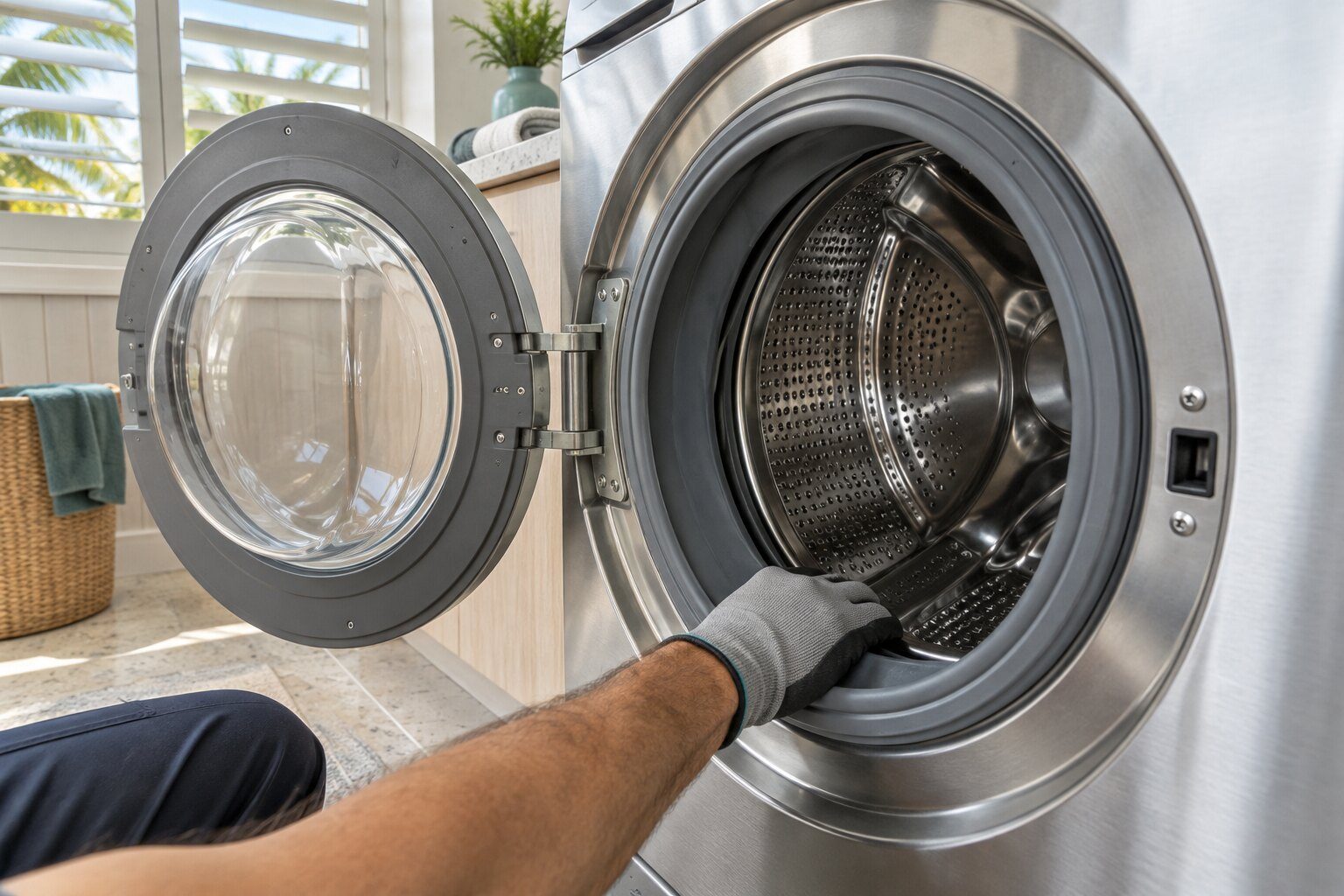
An Asko washer that will not spin is usually not a spin problem. Three free things account for most of these: the machine has not drained, and a front loader will not accelerate a drum with water in it by design; the load will not balance, so the control tries up to ten times to redistribute it and then continues without spinning; or the program chosen has no spin in it. The empty-drum test settles all three in five minutes — take the washing out and run a spin-only program. If it spins, the problem is drainage or balance and the visit is much cheaper. If it does not, listen: a click and then nothing is usually the door lock, which the machine must confirm before spinning, and a hum without rotation points at the motor or something jammed.
The full guide
Wet washing at the end of a cycle that otherwise looked normal. Before anybody is called, one test answers most of it.
Take the washing out and run a spin
A spin-only program on an empty drum. Nothing else in this article matters as much as the result.
It spins normally. Then the machine is fine and the problem was the load or the water. Either the drum had not drained — and a front loader will not accelerate a drum with water in it, by design — or the load would not balance. Both are cheap.
It does not spin. Now listen. A click followed by silence usually means the door lock: the control proves the door is locked before it spins, and a lock that no longer confirms it stops the cycle at exactly this point. A hum with no rotation points at the motor, its control, or something jammed.
Why a full drum will never spin
This catches people out because the machine gives no obvious sign. Spin is interlocked with level: accelerating a drum holding water would be violent and most of the water would leave the machine sideways. So one blocked pump filter produces two complaints — no drain and no spin — and the second is the one people report.
Clear the pump filter behind the lower panel before anything else. Empty the drum through the small drain hose first, or the cap comes off with several liters behind it.
Balance, and what the machine does about it
The control measures how evenly the load sits before it accelerates. On the display machines an imbalance message appears and the manual says plainly that it requires no action — the machine redistributes up to ten times and then carries on. On the analog machines nothing is reported at all and you simply find wet washing.
One heavy item is the usual cause. A bath mat, a single towel, a duvet cover that has wrapped everything else inside it.
The push test
With the machine off, push the drum down firmly and let go. It should settle at once. A drum that bounces two or three times has lost its damping, and that matters beyond this complaint: worn shock absorbers let the drum travel further on every spin, the balance check gives up, and the extra travel loads the drum bearing.
Absorbers are an afternoon. A bearing is a day's strip-down. That gap is the whole reason to call while this is still only annoying.
Level, which is free
Press each corner of the cabinet in turn. If it rocks, the feet want adjusting and locking — a tiled laundry closet is rarely as flat as it looks, and level is half of what the damping has to fight.
If it turns out to be a repair
What this leads to, and what it costs
Every job on this site is priced the same way: an on-site diagnostic first, the figure agreed in writing before anybody starts.
-
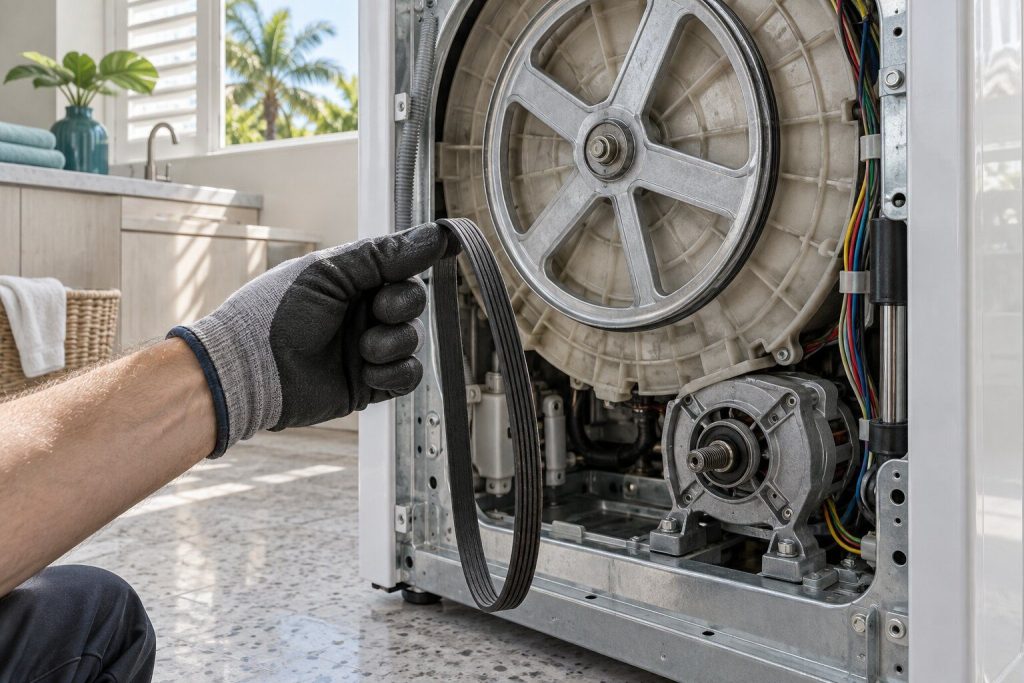
from $165 Washer not spinning repair
A load that comes out soaked after a cycle that appeared to finish. Before anything is priced, three free things are eliminated because they account for most of these: the machine has not drained, the load will not balance, or a cycle was chosen with no spin in it. What is left is genuinely mechanical — the motor and its control, the belt where fitted, the door lock the machine will not spin without, or the shock absorbers that let the drum move enough for the balance sensor to give up.
- Drain, balance and program eliminated before anything mechanical is opened
- The door lock is a spin interlock — a worn one stops the machine dead
- Shock absorbers and suspension, which fail slowly and look like electronics
-
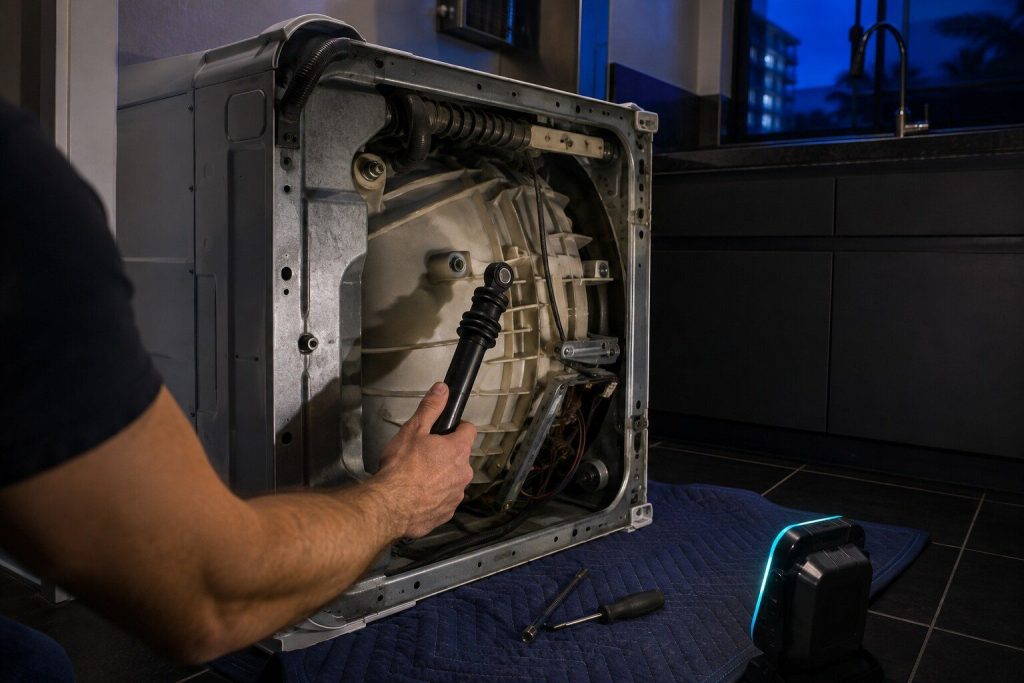
from $165 Washer shock absorber service
The repair that prevents the previous one. Shock absorbers wear gradually, and as they go the drum is allowed to move further on every spin — which loads the bearing, unbalances the machine and eventually walks it across the floor. Nothing on the panel reports it. What reports it is the noise and the movement, and a machine caught at this stage is hundreds of dollars cheaper than the same machine six months later.
- Nothing on the display reports this — the machine tells you by moving
- Replaced as a set, because one new absorber against three worn ones is worse
- The cheapest way to protect a drum bearing on these machines
-

The load comes out soaked after a cycle that seemed to finish Washer not spinning
Clothes heavy with water at the end of a program that otherwise ran normally. Three free things account for most of these and all three can be settled before anybody is called: the machine has not drained, the load will not balance, or the program chosen has no spin in it. What is left after those is genuinely mechanical — the door lock the machine will not spin without, the motor and its control, or the shock absorbers that have worn far enough that the drum moves more than the balance check will allow.
- Run a spin-only program on an empty drum — it separates three causes in five minutes
- A machine holding water will never spin, by design
- Persistent imbalance on ordinary loads is worn suspension, not laundry

Questions people ask about this
Is it the load?
Often. A single bath mat or one heavy towel is the classic — the machine tries ten times to redistribute it and then finishes the program without spinning, which is correct behavior and not a failure. If it happens on ordinary mixed loads too, the suspension is the next thing to look at.
It spins, but slowly.
Different complaint. Slow spin points at the motor control or the drive rather than at balance or drainage, and it is worth saying which of the two you have — no spin at all and a weak spin lead to different tests.
Can I keep using it on a second spin?
For a load or two, yes. If it becomes the routine, the machine is telling you something that will not improve, and worn damping quietly loads the drum bearing while you wait.
Common Problems
More guides like this one
-
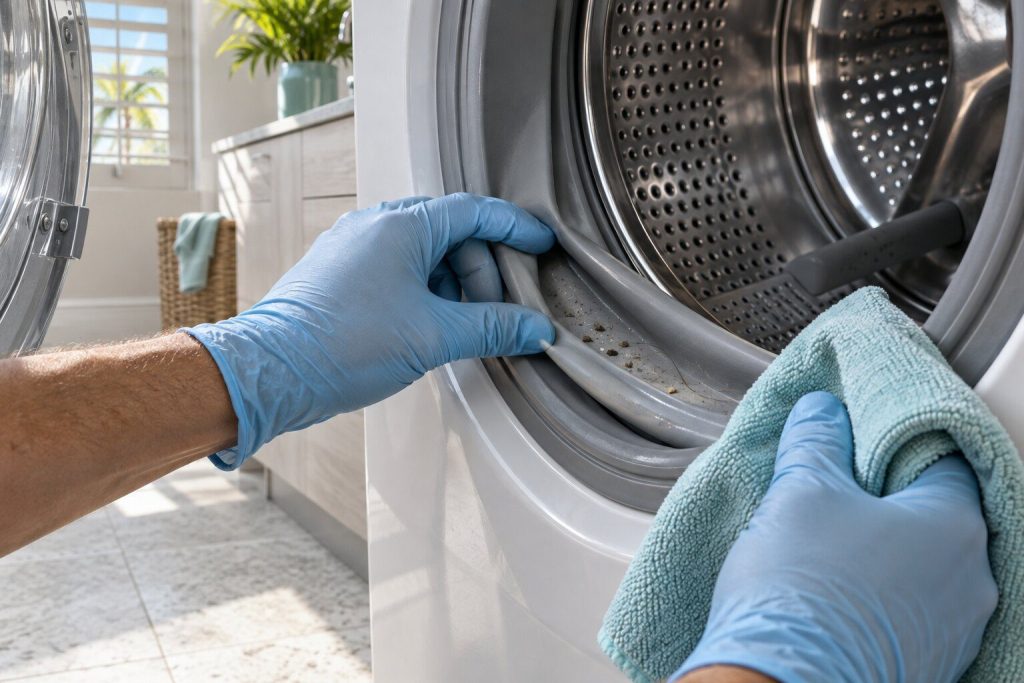
The Part We Replace Most on an Asko Washer, and Why It Fails
Grit collects in the bottom fold of the door bellows and cuts the rubber from the inside. It leaks for months before anything reaches the floor, and in a condominium that is the expensive part.
Read more -
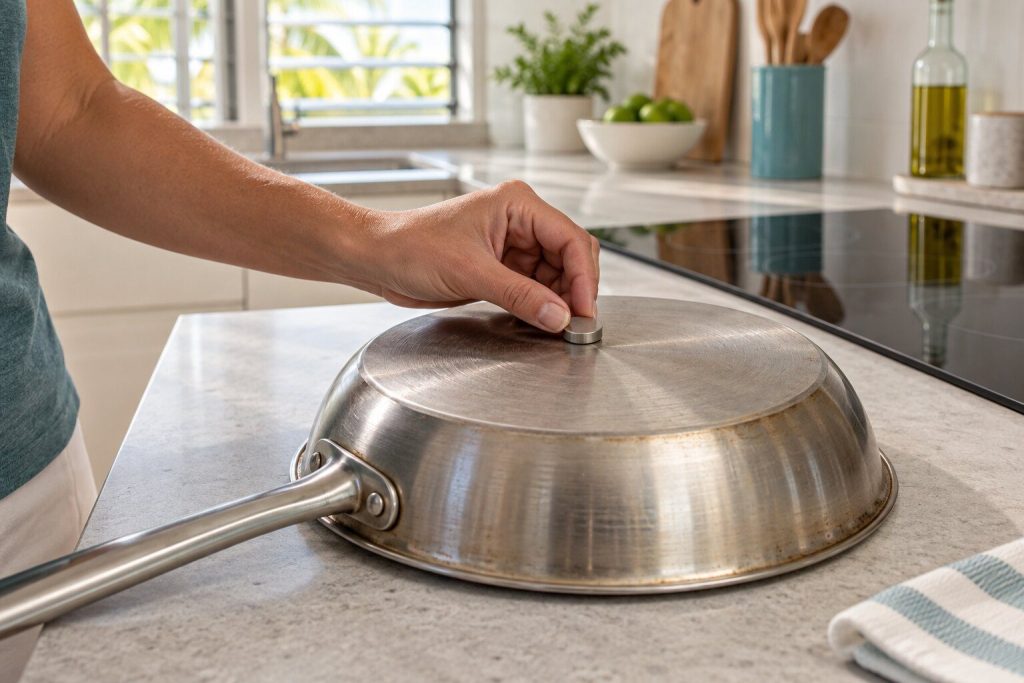
One Asko Induction Zone Dead and the Rest Fine
On induction a single dead zone is better news than it sounds — the problem is usually local to that zone. Two free checks come first, and both mimic a failure exactly.
Read more -
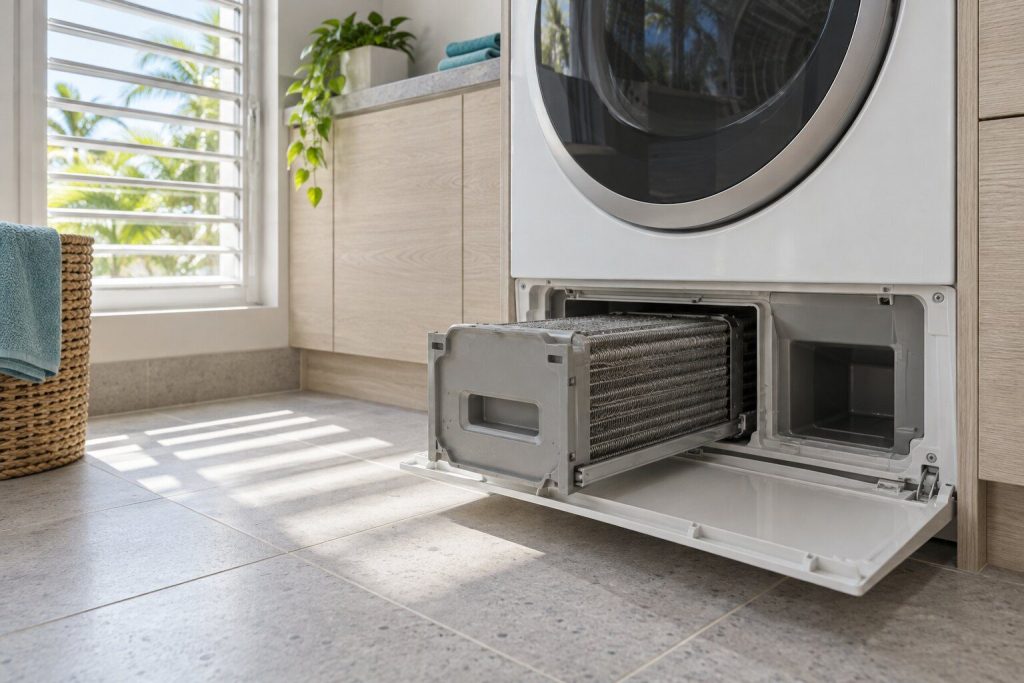
The Asko Dryer Filter Almost Nobody Knows About
There are three filters on a condenser dryer, not one. The third is behind the plinth at the bottom front, and in this climate it packs solid within months.
Read more
Tell us the model number and what it is doing.
This article is based on:
- Official manufacturer documentation
- Internal repair procedures
- Technician repair history
- Company quality standards