Safety & Risks
A Cracked Asko Induction Top Is Not Cosmetic
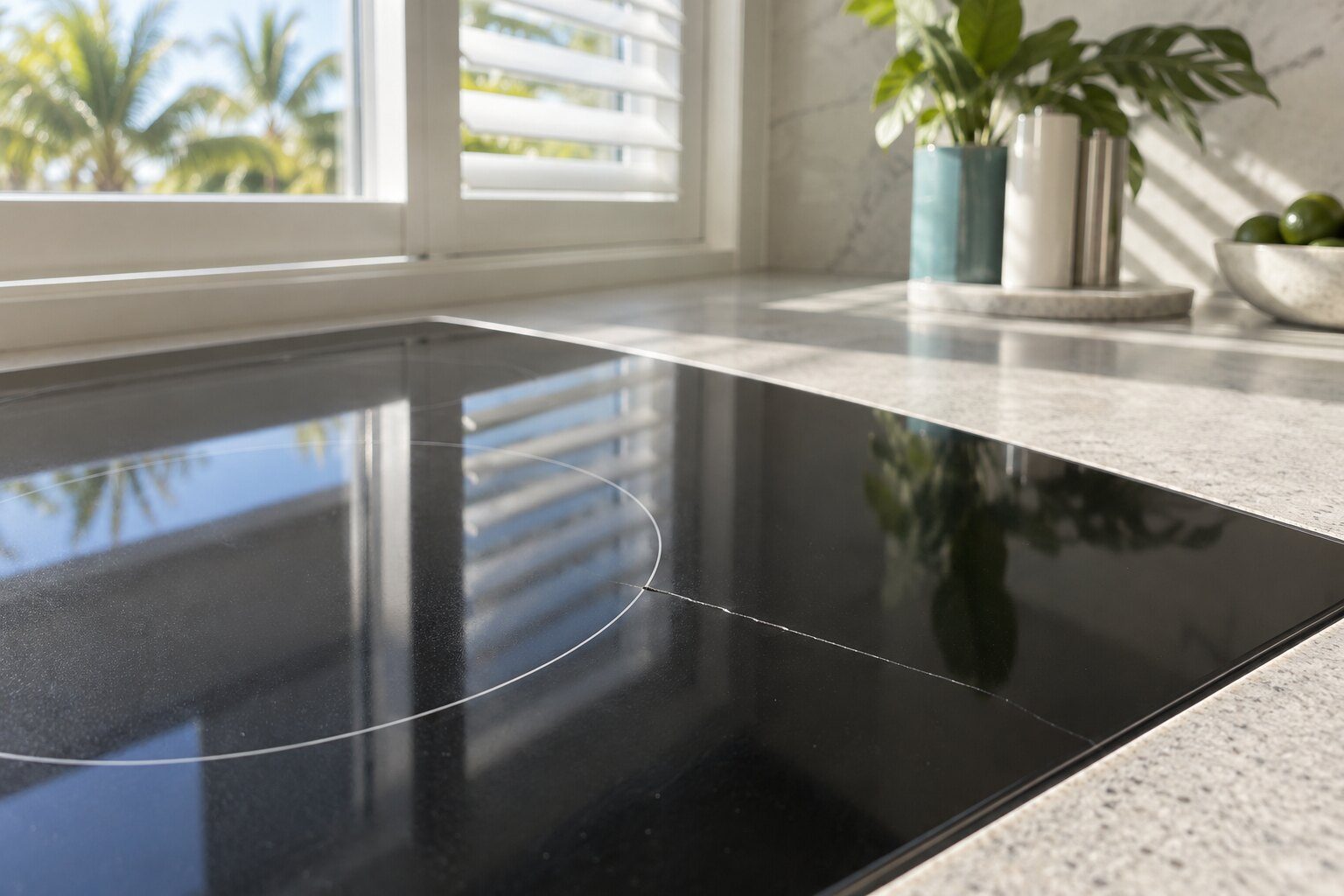
A cracked or chipped induction top on an Asko hob is an electrical problem waiting to happen rather than a cosmetic one. The glass is the seal between the cooking surface and the generator electronics beneath it, and a crack lets spills and steam down onto the coils and the board. The correct first action is to stop using the hob and switch it off at the breaker rather than at the control panel. Whether it is worth replacing depends on two things we establish before quoting: what has already got through, which decides whether this is a glass job or a glass and electronics job, and whether the glass for that exact model can still be sourced — Asko lists no hobs for sale in the United States, so the part comes through a European channel and its availability is a real question rather than a formality.
The full guide
The hob still lights up and the zones still work, so it feels like something to deal with eventually. It is not.
What the glass is actually doing
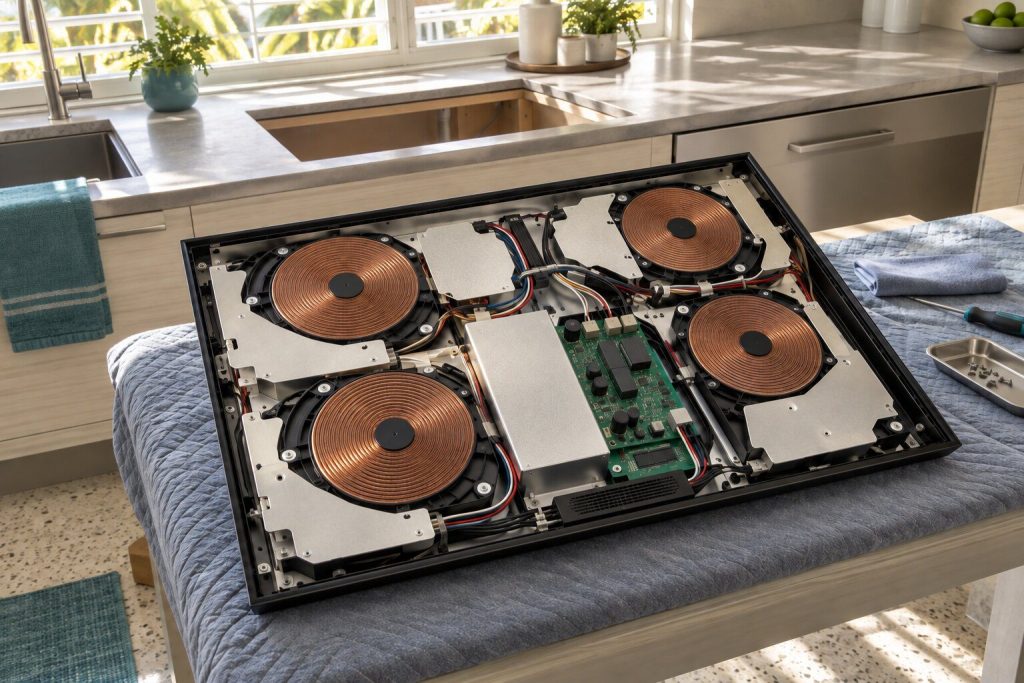
An induction top is not a worktop with heaters underneath. The coils sit directly beneath the ceramic, and above them are the generator electronics that drive them. The glass is the only thing between all of that and everything you spill.
A crack breaks that seal. Water, oil and steam travel down it by capillary action, reach the coils, and sit on the board. What follows is an electrical failure, and unlike the crack it does not announce itself first.
What to do now
Stop cooking on it. Not only on the cracked zone — a crack propagates.
Kill the circuit, rather than the control panel. An induction hob keeps its board energised for as long as the circuit is closed, and removing that is the entire point of this step.
Do not wipe it wet. Cleaning is exactly the action that puts liquid into the crack.
What decides whether it is worth fixing
Two questions, and we answer both before quoting rather than after.
What has already got through. With the hob isolated, the underside is inspected for what has reached the coils and the board. Sometimes nothing has, and this is a glass job. Sometimes it has been cracked for months and it is not.
Whether the glass still exists. Asko lists no hobs for sale in the United States at all. The panel comes through a European channel, sourced against the exact model, and on some of the older imports the answer is that it no longer exists. That is a real risk and we would rather establish it before you have agreed to anything than afterwards.
How they crack without being hit
Thermal shock is the common one. A cold damp cloth laid on a zone that is still hot; a pan allowed to boil dry and then moved; a heavy cast-iron pot set down hard on a warm surface.
Installation causes some too. A top clamped hard into a stone cut-out with no expansion allowance will eventually crack from the fixing, and that is worth knowing because refitting the new glass the same way repeats it.
After the repair
Every zone is run and tested, not only the one nearest the crack. A hob rebuilt around a new top has to be proved as a whole, and a second problem found on the day is far cheaper than one found next week.
If it turns out to be a repair
What this leads to, and what it costs
Every job on this site is priced the same way: an on-site diagnostic first, the figure agreed in writing before anybody starts.
-
from $275 Cooktop glass replacement
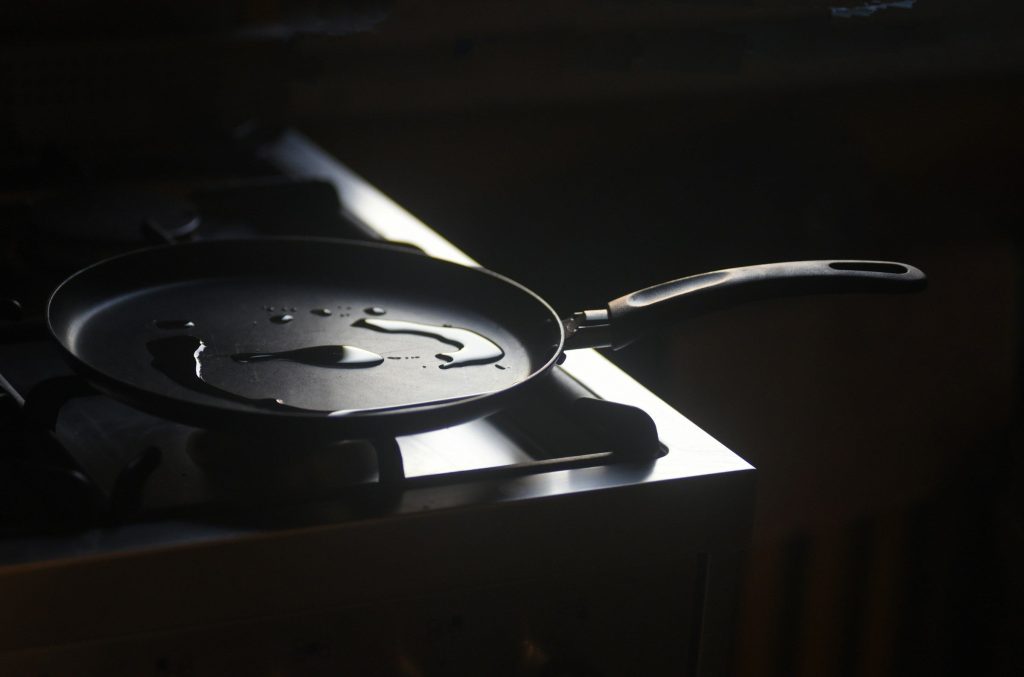
A cracked or shattered induction top, which is not a cosmetic repair and should not be treated as one. A crack lets moisture down onto the coils and the board beneath, and the failure that follows is electrical. The right first action is to stop using it and isolate it at the breaker. Whether it is worth replacing depends on the model and on what has already got through, and on a hob no longer in the US catalog it depends on the glass still being available — which we check before quoting.
- Stop using it and isolate at the breaker — this is not cosmetic
- Availability checked before a figure is quoted, not after it is accepted
- What the crack has already let through decides whether glass alone is enough
-
from $205 Induction cooktop repair
The majority of what this make put into kitchens here, and the codes divide into two families that share no numbers at all: one generation prints F-strings, the other prints E and Er strings, and reading one against the other's table is how the wrong board gets ordered. Two free checks come before any of that, because they account for a good share of these calls: whether the pan is actually induction-capable, and whether the hob has been left in a lock or child-safety state that looks identical to a failure.
- Two code families, no shared numbers — the model settles which table applies
- Pan and lock state checked first, because both mimic a dead hob exactly
- Overheating from a blocked air path under the counter, which is common here
-
The door shuts, the program is chosen, and nothing happens Dishwasher will not start
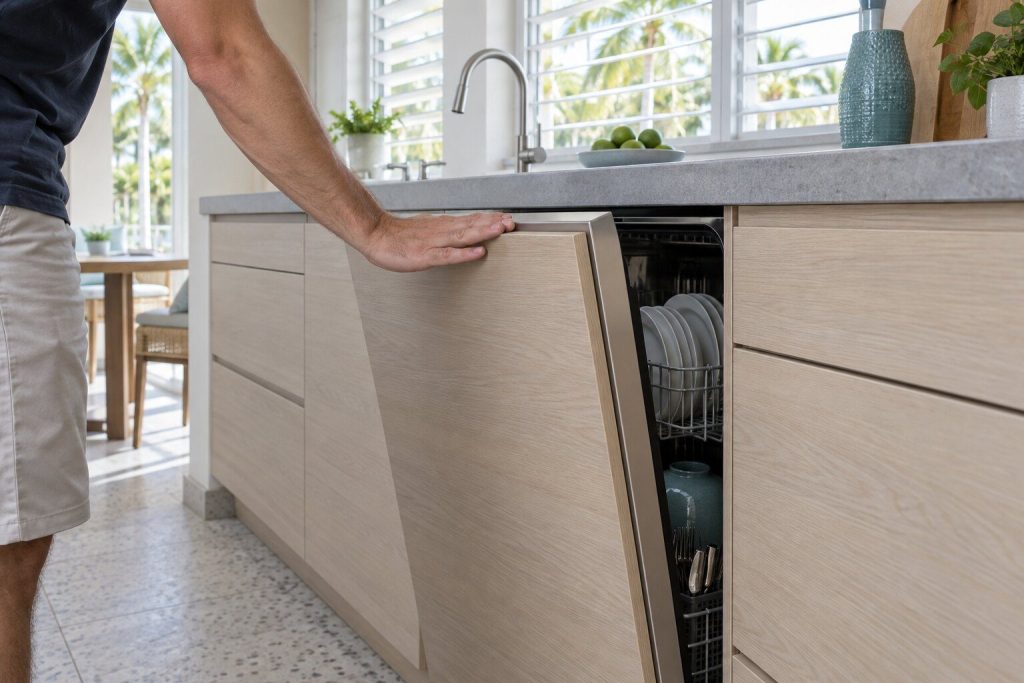
Dead silence, and on an integrated machine the prime suspect is mechanical rather than electrical: is the door. A custom panel adds weight the hinge springs were set for on installation day, joinery settles over the years, and a door that looks perfectly shut can be sitting a millimeter proud of the switch that proves it. On the Outdoor machines there is even a message for it in as many words. After the door there is the supply, and then a control that is genuinely not responding — in that order, because that is the order of cost.
- Push the door firmly and try again — on an integrated machine this is the usual answer
- A delay start nobody cleared behaves precisely like a dead machine
- Check the socket behind the cabinet, which nobody can see
Questions people ask about this
It is a hairline crack and everything still works.
It works today. The mechanism is not the crack itself but what passes through it over the following weeks — a boil-over, a wiped surface, steam. The electronics beneath are not sealed against that, and the failure when it comes is not gradual.
Can the glass be repaired?
No. Induction tops are toughened ceramic under thermal cycling; a filled or bonded crack does not survive it and the risk stays. The panel is a replaceable part, and on the models where it can still be sourced the repair is straightforward.
How did it crack? Nothing was dropped.
Often nothing was. Thermal shock does it — a cold wet cloth on a hot zone, a pan boiled dry then moved, a heavy pot set down hard on a hot surface. Occasionally it is the installation: a top clamped too tightly into a stone cut-out has nowhere to expand.
Safety & Risks
More guides like this one
-
A Small Leak Under an Asko Washer Is Not a Small Problem in a Condominium
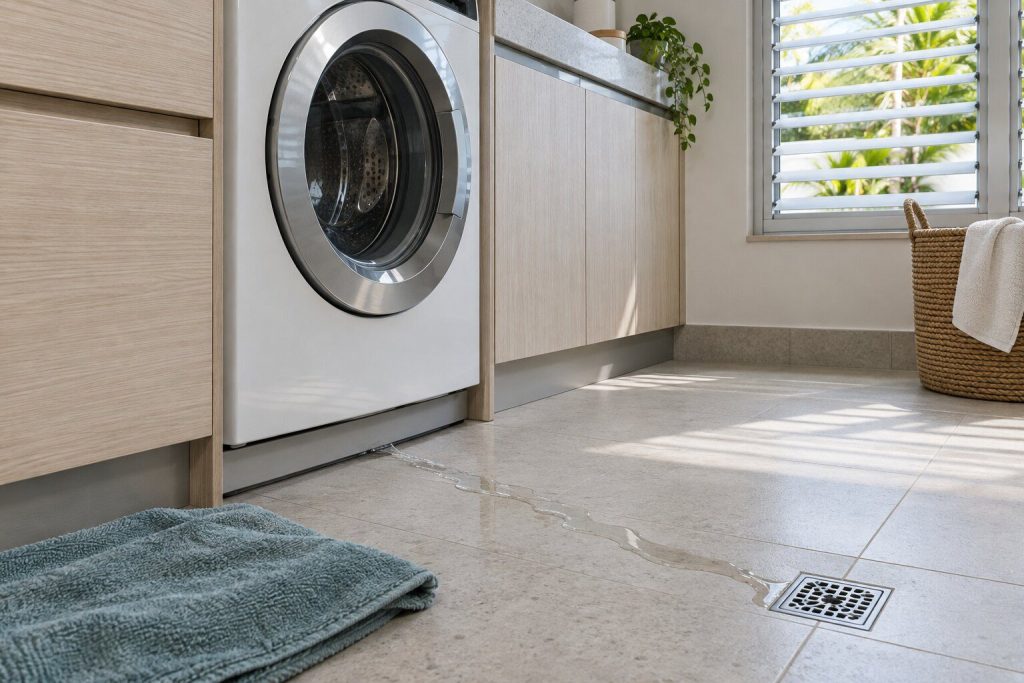
A washing machine moves several gallons per program. A leak that puts a cup on the tile during a wash puts considerably more into the structure over a week of ordinary use.
Read more -
An Asko Microwave Door That Needs a Push: Stop Using It
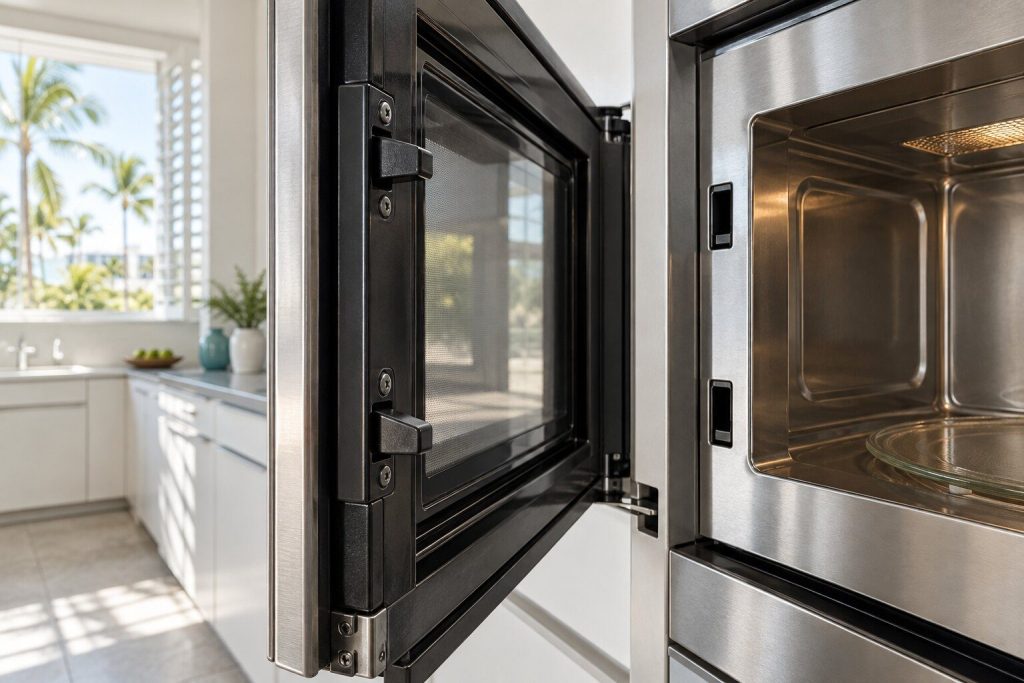
A microwave door is a shielding component, not a lid. Three interlock switches in series prove to the machine that it is safe to run, and a door that has dropped stops satisfying them.
Read more -
An Imported Asko Cooker and the Supply It Was Built For
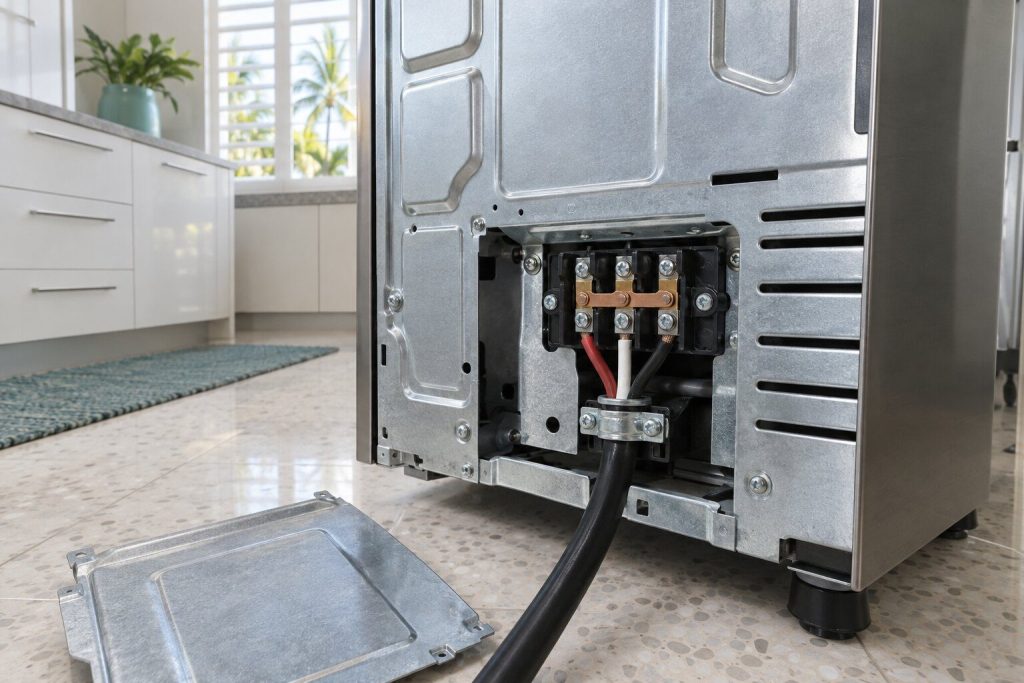
Asko has never sold a freestanding cooker in the United States. The ones here arrived by import, and the first question is not what has failed — it is what the machine is plugged into.
Read more
Tell us the model number and what it is doing.
This article is based on:
- Official manufacturer documentation
- Internal repair procedures
- Technician repair history
- Company quality standards