Maintenance & Prevention
The Asko Dishwasher Setting Almost Nobody Changes
Every Asko dishwasher has a water softener built into it, and it needs two things to work: coarse dishwasher salt in the reservoir in the floor of the tub, and a hardness number set to match the supply. Most machines we open have one of the two wrong — usually the hardness, still on the number the machine left the factory with, chosen for softer water than South Florida has. The consequence is not dramatic and that is why it goes unnoticed: scale forms slowly in the heater and in the spray jets, the smallest jets close first, and two years later the dishes come out gritty with no error code to explain it. Setting the hardness costs nothing, salt costs very little, and together they are the difference between a machine that cleans at year eight and one that does not.
The full guide
There is a softener inside your dishwasher. It has two controls and most people have used one of them.
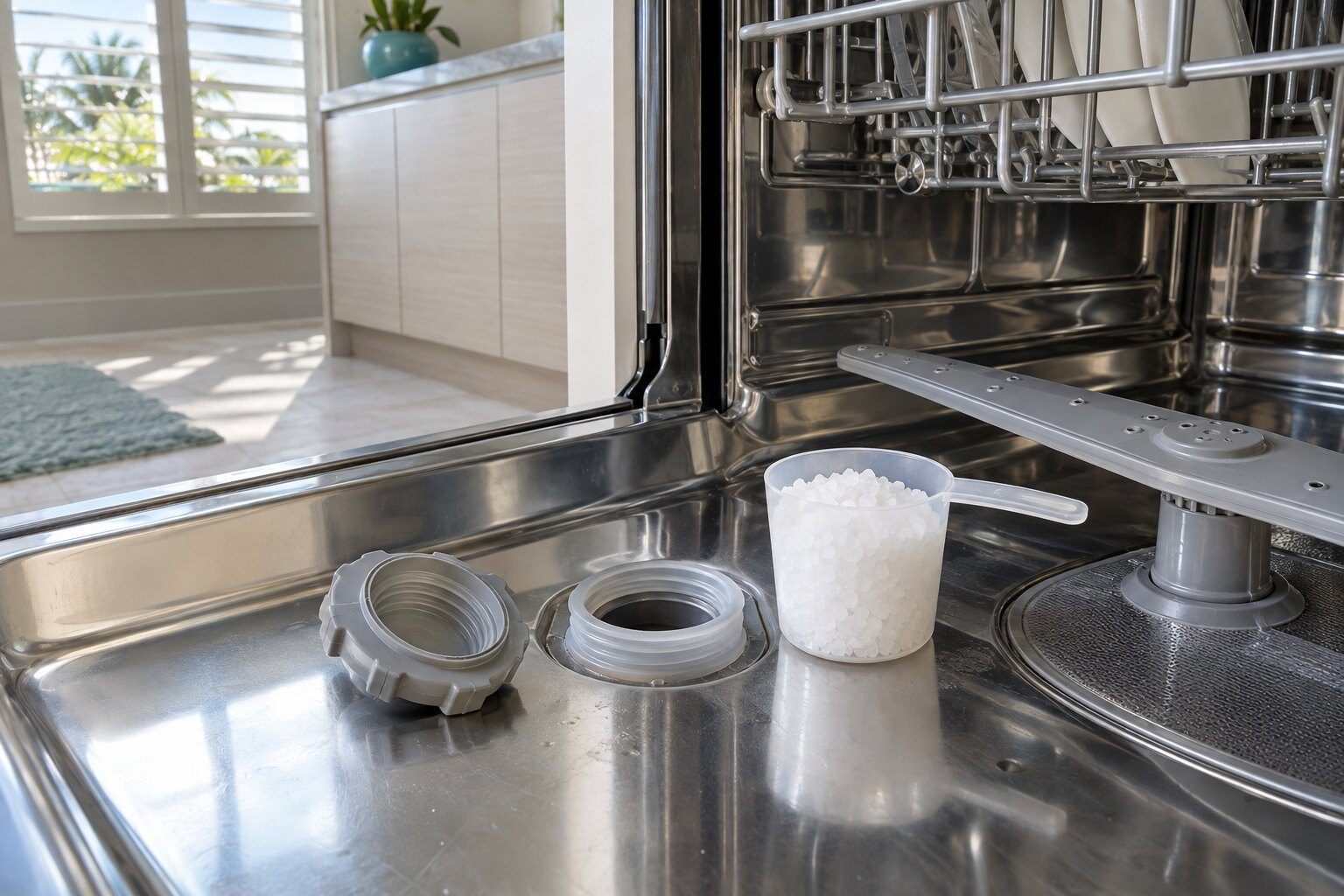
Where the salt goes
Slide the bottom basket clear. Set into the tub floor, generally beside the filter, is a screw cap — occasionally with a small dial next to it. Behind it is the salt reservoir, feeding a resin bed that trades the calcium and magnesium out of the supply for sodium before any of it reaches a plate.
It is not the rinse aid. Rinse aid lives in a small door on the inside of the dishwasher door and does a completely different job.
Use coarse dishwasher salt. Fill it until it is full, expect to spill a little water doing it, and wipe the tub floor afterwards.
The number that decides whether the salt matters
Somewhere in the settings menu is a water hardness setting. It is a single number, and on almost every machine we open it is still the one the appliance shipped with.
That number decides how often the resin bed is recharged from the brine, and it decides when the low-salt reminder appears. Set for softer water than you actually have, the machine recharges too rarely and the reminder comes too late — and the softener quietly does a fraction of its job while every indicator says all is well.
Get the figure from your utility's water quality report, or from a test strip. Set it once.
What goes wrong when it is left alone
Nothing, for about a year. Then scale begins to form on the heating element, in the smallest spray jets, and on the tub surfaces. The jets close from the smallest upward, so the machine keeps washing but reaches less of the load. There is no error code for any of it, because nothing has failed.
By the time somebody notices that the top basket comes out gritty, the arms need clearing with a pin and the machine needs a cleaning cycle — none of which would have been necessary.
Once or twice a year
Run a dishwasher cleaner through an empty hot program. On this water it is worth doing and it costs less than a visit. It will not open jets that have already limed shut, which is why the arms come off first if performance has already dropped.
Why this is on the maintenance list and not the repair list
Because there is nothing to repair. A dishwasher that has been fed the right hardness number and kept in salt for eight years is a dishwasher that still cleans, and the whole cost of that is one setting and a bag of salt a year.
If it turns out to be a repair
What this leads to, and what it costs
Every job on this site is priced the same way: an on-site diagnostic first, the figure agreed in writing before anybody starts.
-
from $139 Dishwasher wash performance service
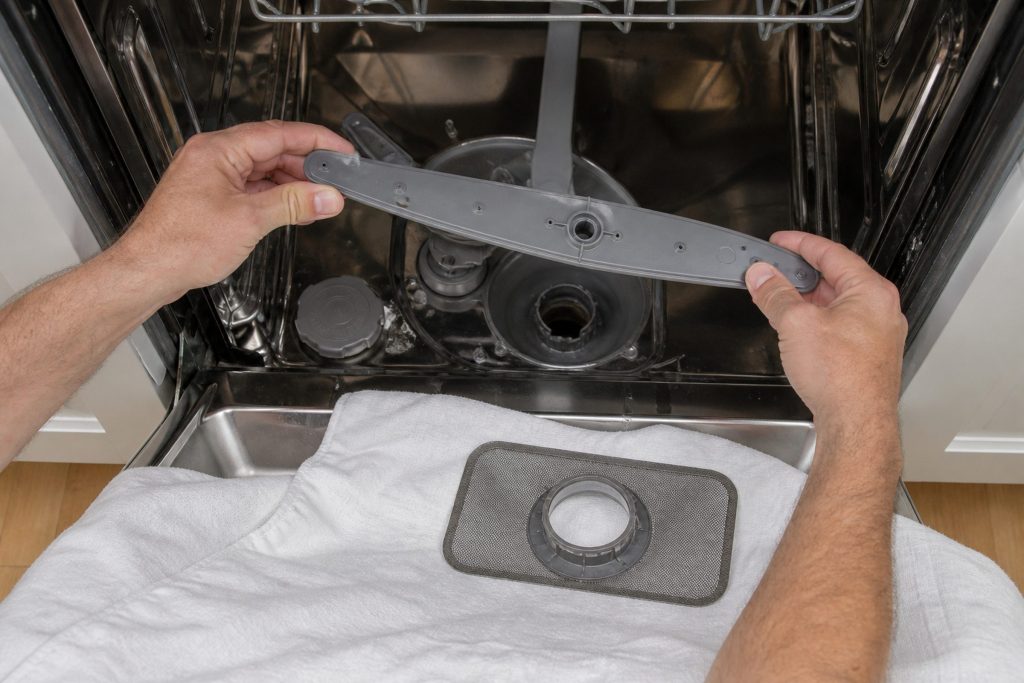
Everything runs, nothing errors, and the dishes come out gritty or filmed. This is the call with no code behind it on any of the three generations, and it is nearly always four ordinary things rather than one broken one: spray arms whose jets have limed shut, a filter that has been rinsed but never lifted, a water hardness setting nobody adjusted when the machine arrived on this supply, and a detergent dose meant for softer water than we have.
- No code, no failure — this is a performance call and it is priced as one
- Spray arms, filter, hardness setting and dose, which is the whole list
- Water hardness set to this supply, not to the number it left the factory with
-
from $155 Appliance maintenance
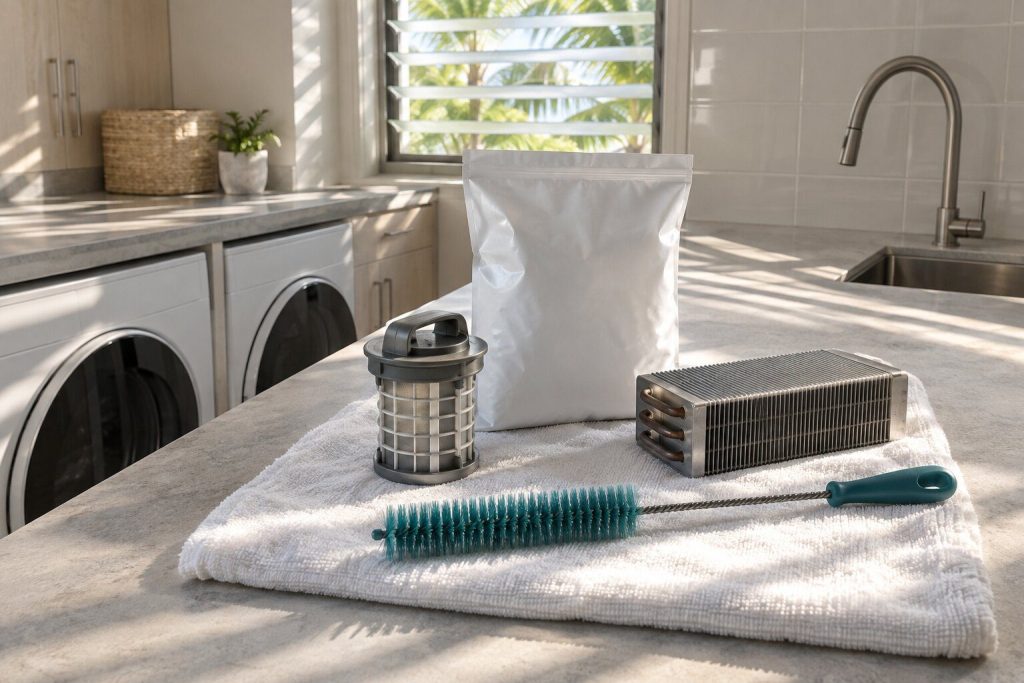
A planned visit rather than a rescue, and on this make it pays for itself faster than on most. These are machines built to run for twenty years, which means the things that end them early are almost all maintenance items — a condenser filter packed solid in a laundry closet at eighty per cent humidity, a dishwasher filter stack nobody knew lifted out, a door seal cutting itself on grit. Every one of those is minutes of work and none of them announce themselves before they cost a part.
- Filters, seals, drains and airflow — the four that end machines early here
- One visit covers every Asko appliance in the property, not one machine
- Written record of what was found, so the next visit is not a fresh start
-
Everything runs, nothing errors, the dishes are gritty Dishes come out dirty
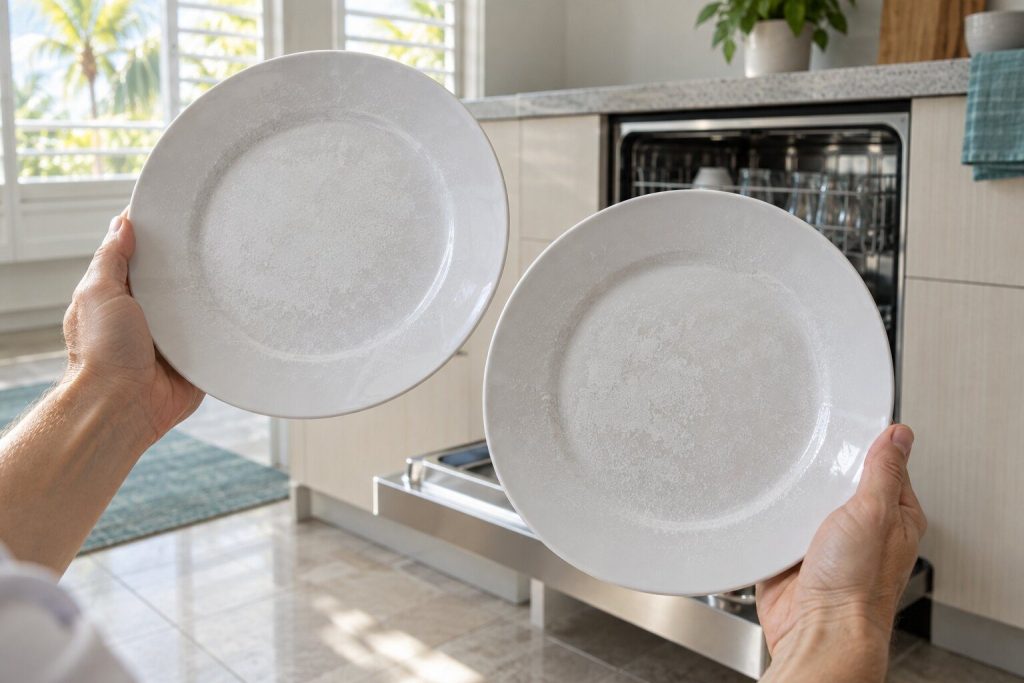
The machine completes its program without complaint and the load is worse than when it went in. There is no code for this on any of the three generations, which people find unsettling and which is actually the useful fact: nothing has failed. Four ordinary things decide whether a dishwasher cleans on this water, and all four drift slowly enough that nobody notices until the difference is obvious — spray jets liming shut, a filter rinsed but never lifted, a hardness setting still on the number it left the factory with, and a detergent dose meant for softer water than South Florida has.
- No code and no failure — this is performance, and it is usually reversible
- The hardness setting is the one nobody touches, and this water is not soft
- Both spray arms come off by hand and every jet should pass light

Questions people ask about this
Can I use table salt?
No. Dishwasher salt is coarse and pure; table salt carries anti-caking agents that clog the softener, and fine grains dissolve too quickly. It is one of the few places where the specific product genuinely matters.
My machine has never asked for salt.
Then the hardness is probably set too low, which is exactly the problem. The low-salt reminder is calculated from that number — set for soft water, the machine believes it barely needs any and never asks. The reminder being silent is not evidence that all is well.
Do I still need rinse aid?
Yes, and it does a different job. Salt and the softener deal with what is dissolved in the water; rinse aid makes what is left sheet off rather than bead, which is what drying depends on. Neither substitutes for the other.
Maintenance & Prevention
More guides like this one
-
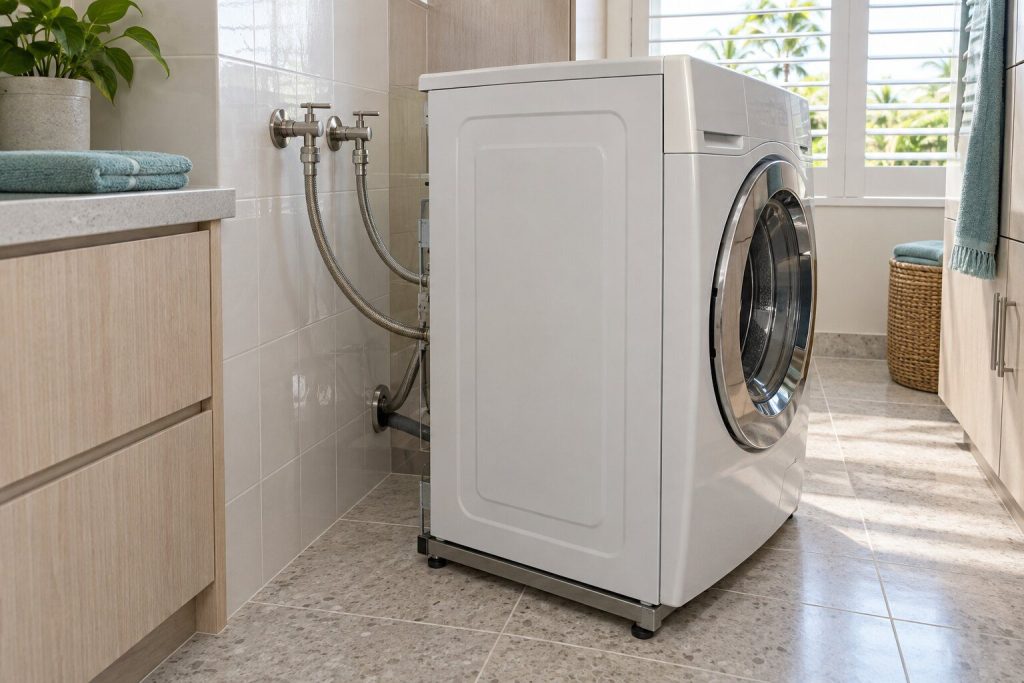
The Cheapest Thing You Can Do for an Asko Washer in an Apartment
Inlet hoses perish out of sight behind a machine nobody moves. A hose that lets go while the apartment is empty is the most expensive thing that can happen in a laundry closet.
Read more -
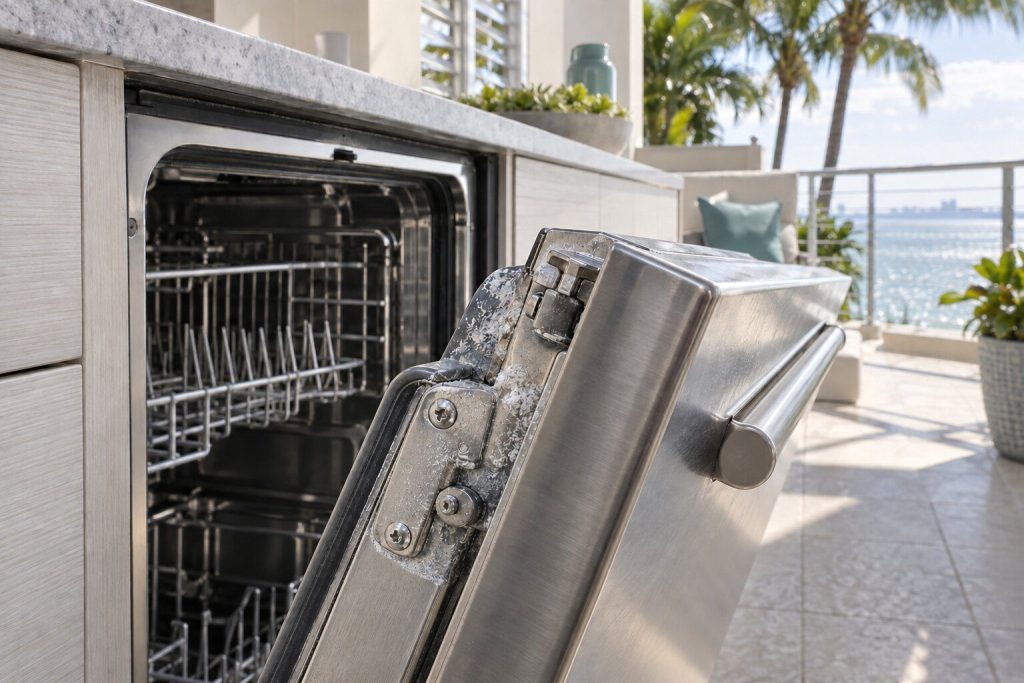
The Outdoor Asko Dishwasher and What Salt Air Takes First
On a terrace the electronics are rarely what ends the machine. Hinges, fasteners, the latch and the door seal go years before anything electrical does, and every one of them is cheap while it still moves.
Read more -
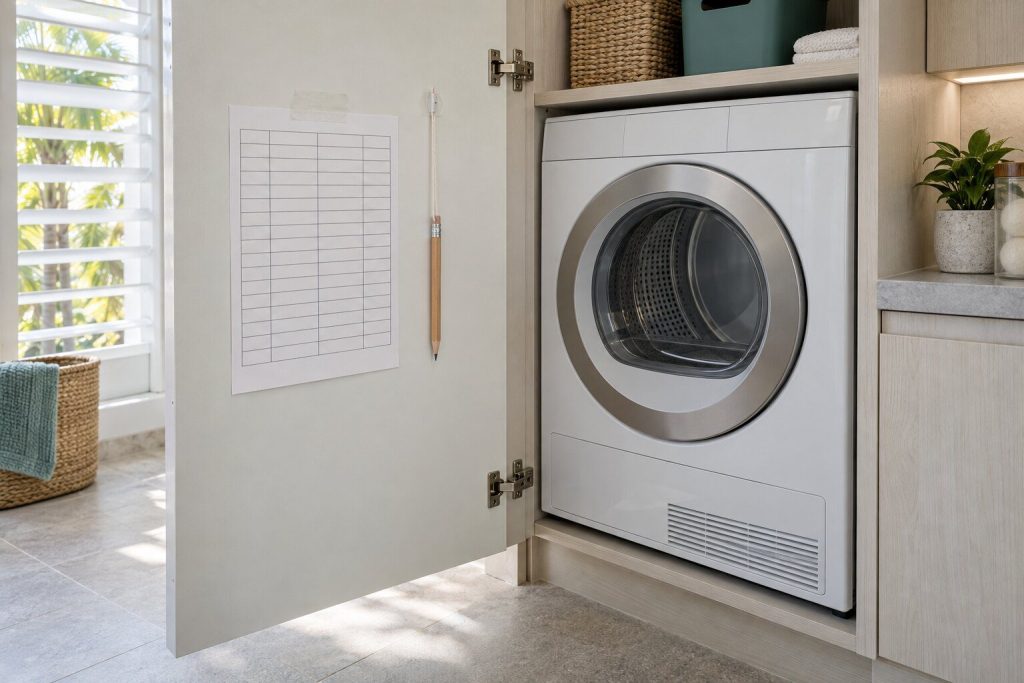
How Often an Asko Condenser Dryer Needs Servicing in South Florida
The manual's interval assumes a temperate laundry room. An interior closet here sits at high humidity for months, and the machine loads its filters in proportion.
Read more
Tell us the model number and what it is doing.
This article is based on:
- Official manufacturer documentation
- Internal repair procedures
- Technician repair history
- Company quality standards